
Bhutan
from✓ 5,000+ happy travelers
✓ No advance payment required to enquire — you’ll only pay directly to us once your itinerary is confirmed.
6 Nights 7 Days
Total Amount: Starting from Rs. 34,636/-
How many days are enough for Bhutan?
Short answer: this Bhutan Tour Package’s 6 nights and 7 days is enough for Bhutan’s classic Thimphu-Punakha-Paro circuit, including the Tiger’s Nest hike.
This itinerary enters overland via Phuentsholing, spends time in Thimphu with a day trip to Punakha and Wangdue via Dochula Pass, then continues to Paro for the Chele La Pass and the Tiger’s Nest hike before returning to Phuentsholing for departure. Seven days is enough to cover all of this at a comfortable pace, including acclimatisation before the Tiger’s Nest trek. Travellers who fly directly into Paro instead of entering overland can trim a day from either end.
What is the best time to visit Bhutan?
Short answer: March–May and September–November are the best times to visit Bhutan, with clear mountain views and pleasant weather.
Spring brings blooming rhododendrons and mild days, ideal for the Tiger’s Nest hike, while autumn offers the clearest Himalayan visibility of the year and coincides with several of Bhutan’s tsechu festivals. June–August is monsoon season, with heavy rain and landslide risk on mountain roads, making it the least reliable window for this route. December–February is cold and dry with occasional snow at Dochula and Chele La passes.
Quick Trip Facts
- Destination: Thimphu, Punakha, Paro (Bhutan)
- Duration: 6 Nights / 7 Days
- Route: Phuentsholing \u2192 Thimphu \u2192 Punakha/Wangdue (day trip via Dochula Pass) \u2192 Paro \u2192 Phuentsholing
- Starting Price: Rs. 34,636 per person
- Best Time: March–May & September–November
- Ideal For: First-time Bhutan visitors, culture and nature lovers
- Experience Style: Culture \u2022 Nature \u2022 Adventure
- Meals: MAP — 6 breakfasts + 6 dinners
- Stay Category: Twin/triple sharing, standard hotels
The tour package Inclusions
- Rooms on twin/triple sharing basis
- Meal plan MAP (6 breakfasts + 6 dinners), fixed menu / buffet
- All transfers and sightseeing by exclusive vehicle
- All permit assistance
- All sightseeing as per the itinerary
- Professional tour guide, Phuentsholing to Phuentsholing
- Pick up and drop at NJP Train Station / IXB Airport
- SDF (Sustainable Development Fee)
Best Time to Visit
Bhutan is best visited in March–May and September–November, when clear skies frame the Himalayan peaks and the Dochula Pass and Chele La Pass viewpoints are at their most photogenic. Spring (March–May) brings blooming rhododendrons across the hillsides and mild daytime temperatures, ideal for the Tiger’s Nest hike.
Autumn (September–November) offers the clearest mountain visibility of the year and coincides with several of Bhutan’s colourful tsechu festivals in Thimphu and Paro. June–August is the monsoon season, with heavy rain, landslide risk on mountain roads, and clouded-over pass views, making it the least reliable window for this itinerary.
December–February is cold and dry, with occasional snow at Dochula and Chele La passes; travellers comfortable with near-freezing mornings can still enjoy clear valley views and lower crowds.
Who This Trip Is For
The Culture & Heritage Traveller
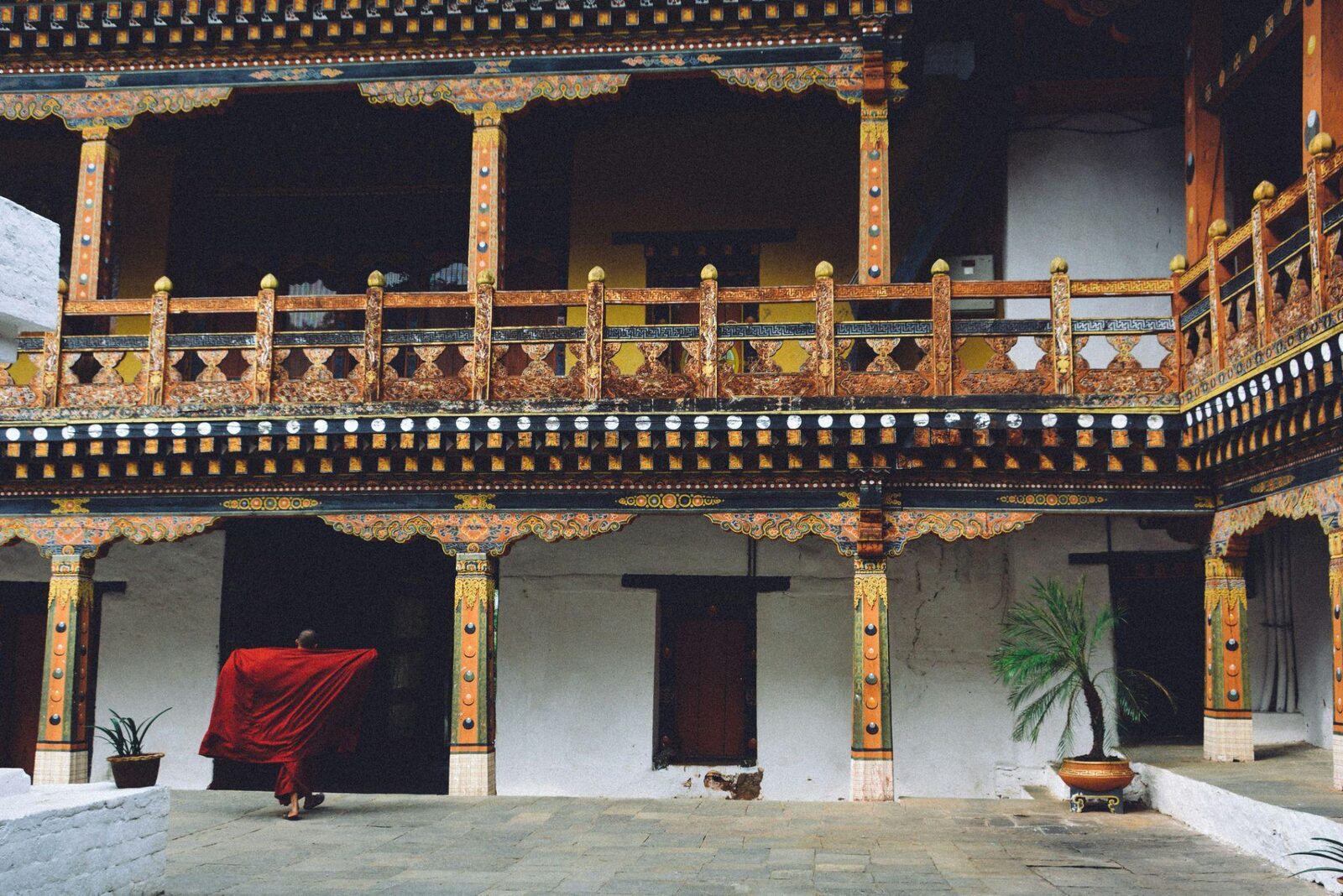
With visits to Thimphu’s dzongs, Punakha’s riverside fortress, and Paro’s cliffside monastery, this itinerary is built for travellers drawn to Bhutan’s living Buddhist culture and centuries-old architecture.
The First-Time International Traveller
Entering Bhutan overland via Phuentsholing from Bagdogra/NJP makes this one of the simplest international trips for Indian travellers, without the cost of a Paro flight.
The Active Adventurer
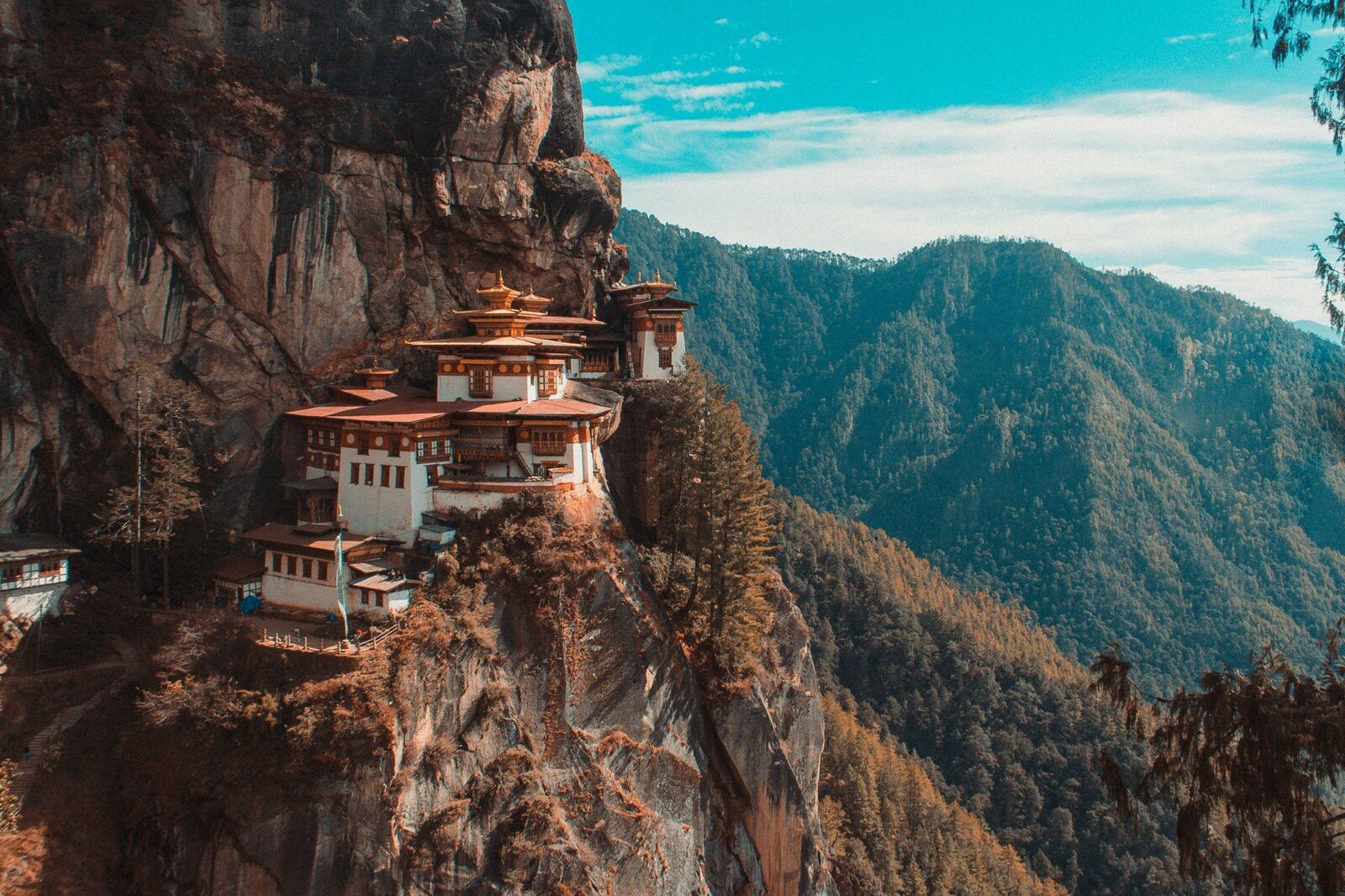
The uphill hike to Paro Taktsang (Tiger’s Nest) and the high-altitude Chele La Pass give this trip a genuine adventure edge for travellers who want more than a bus-window view of the Himalayas.
The Nature & Photography Lover
The 108 chortens at Dochula Pass, framed by snow-capped peaks on a clear day, along with Punakha’s river valleys, make this route a favourite for landscape photography.
What Most Travellers Get Wrong About This Bhutan Tour Package
Many travellers underestimate how much of Bhutan travel is gated by permits and fees rather than simple visa stamps. Indian nationals don’t need a visa, but they still need an online permit and must pay the Sustainable Development Fee (SDF) per night, both of which should be arranged well before departure — this isn’t a trip you can wing at the border.
A second common misconception is that flying into Paro is the only way in: this itinerary instead enters overland via Phuentsholing from Bagdogra/NJP, which is slower on Day 1 but considerably cheaper, since Paro flights are limited and expensive.
Finally, the Tiger’s Nest hike is often pictured as a short stroll — in reality it’s a 3–5 hour round trip on a steep trail to roughly 3,120 metres, and travellers who skip acclimatising in Thimphu first sometimes find it tougher than expected.
Explore More With Magna Voyagee
- Kashmir Trip package for Dal Lake and the Gulmarg meadows
- Kinnaur & Spiti Valley road trip through the high-altitude Himalayas
- Sikkim Darjeeling tour package for tea gardens and Himalayan views
- Leh Ladakh group tour for high-altitude monasteries and mountain passes
- Kasol Malana Tosh Manali tour package for a Himachal backpacking trip
- Meghalaya tour package for living root bridges and waterfalls
- Nepal tour package for the Himalayas and Kathmandu Valley heritage sites
- Laos tour package for temples, waterfalls and the Mekong River
Travel Essentials
- Nearest Airport: Paro International Airport is Bhutan’s only international airport, but this itinerary travels overland; Bagdogra Airport (India) is the arrival gateway, followed by a land transfer via Phuentsholing.
- Nearest Railway Station: New Jalpaiguri (NJP) Railway Station, India — used for pick-up/drop on this itinerary.
- Permit Required?: Yes — Indian nationals need an online entry permit and must pay the Sustainable Development Fee (SDF) per night; foreign nationals need a full Bhutan visa plus a higher SDF, normally arranged through a licensed operator.
- Network Availability: Decent 4G in Thimphu and Paro town centres; patchy at high mountain passes like Dochula and Chele La and along rural stretches.
- Difficulty Level: Moderate — mostly road travel through mountain roads, but the Tiger’s Nest hike is a strenuous 3–5 hour round trip to around 3,120m, the most physically demanding part of the trip.
- Packing Essentials: Warm layers (evenings are cool even in spring/autumn, cold December–February), sturdy trekking shoes for the Tiger’s Nest hike, a rain jacket, sunscreen and sunglasses for high altitude, and modest clothing (covered shoulders/knees) for dzongs and monasteries.
- Modest, layered clothing - temples require covered shoulders/knees
- Good hiking shoes for the Tiger's Nest trail (part stone steps, part dirt path)
- Cash (Ngultrum/INR) - card acceptance is limited outside Thimphu
- A light rain jacket even in the dry season
-
Reviews 0 Reviews0/5
-
Vacation Style Holiday TypeCulture, History
-
Activity Level Moderate
-
Group Size Small Group
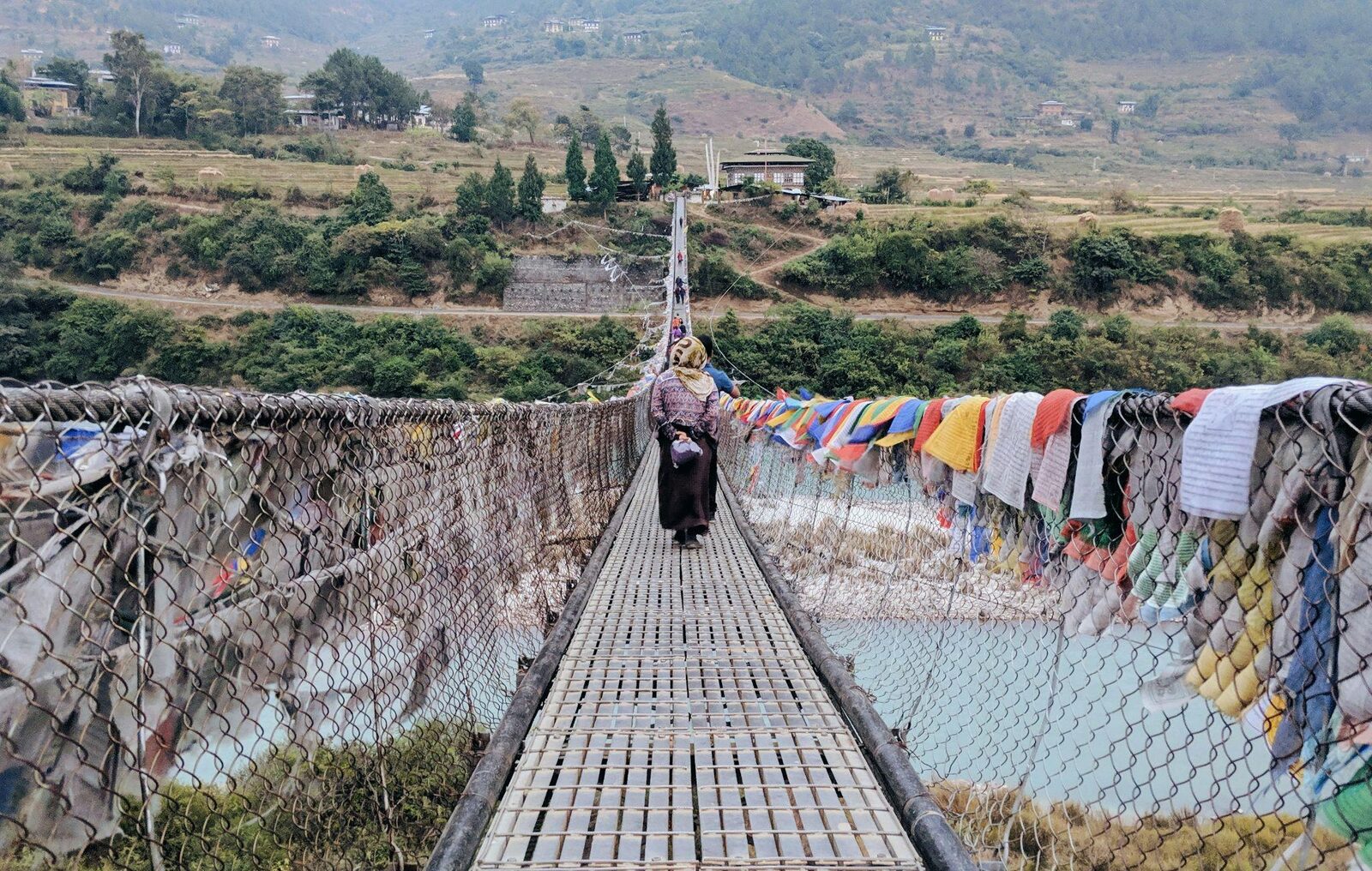
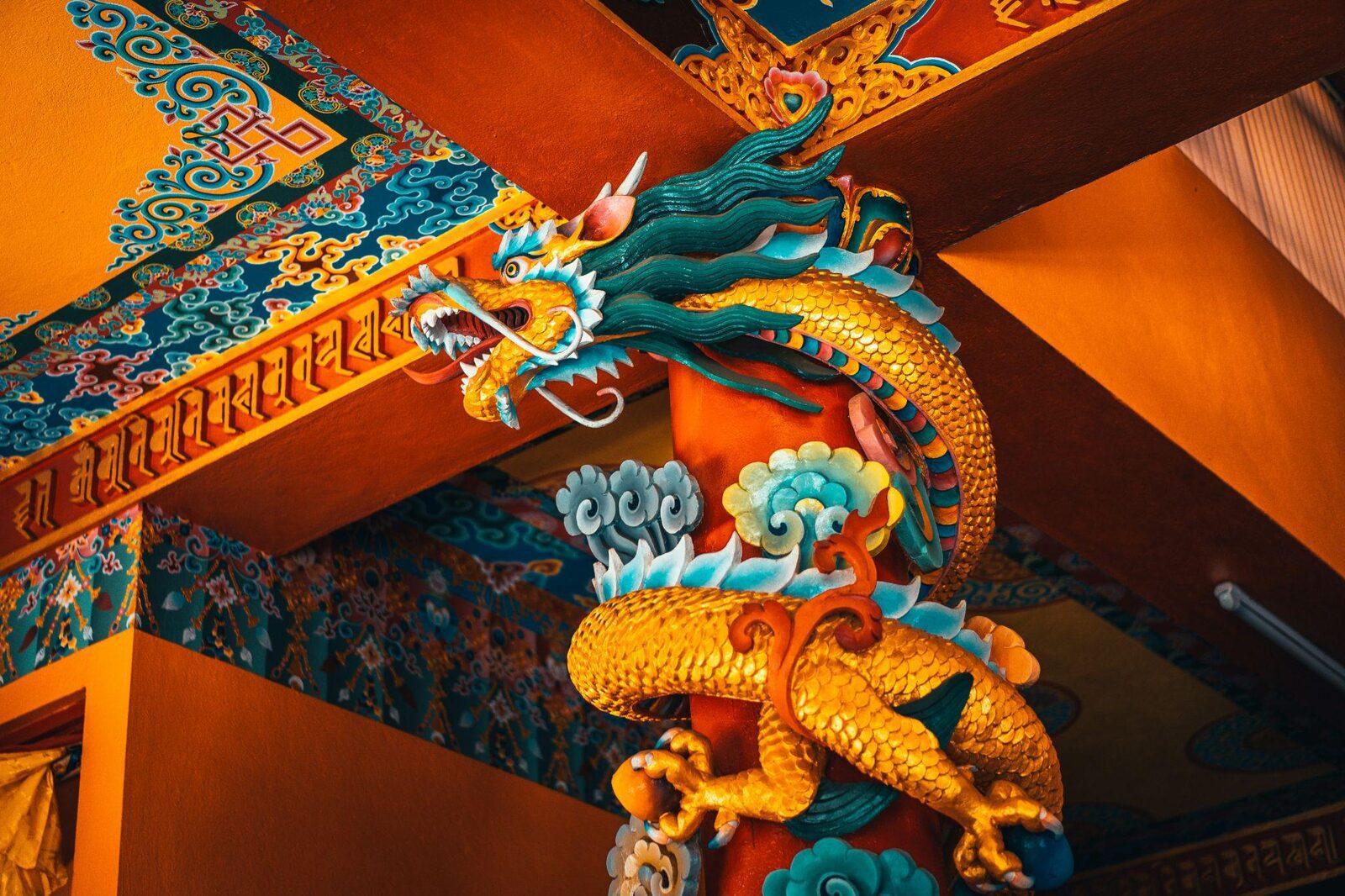
Bhutan is a striking and sacred kingdom shrouded in myth, filled with grand mountain forts, monasteries and centuries-old traditions. This 6 Nights 7 Days journey takes you from the border town of Phuentsholing to the capital Thimphu, over the spectacular Dochu La Pass to the ancient valley of Punakha, and on to the picturesque town of Paro. Along the way, discover the Buddha Dordenma statue, Punakha Dzong and its historic suspension bridge, the rare Takin at Motithang, and the breathtaking Chele La Pass – with the option to hike to the legendary Tiger’s Nest Monastery, one of the holiest sites in the Himalayas.
- Day 01 ARRIVAL AT BAGDOGRA / NJP - TRANSFER TO PHUENTSHOLING
- Day 02 PHUENTSHOLING - THIMPHU
- Day 03 EX-THIMPHU - PUNAKHA / WANGDUE VIA DOCHULA PASS
- Day 04 THIMPHU CITY TOUR - TRANSFER TO PARO
- Day 05 EX PARO - CHELE LA PASS / TIGER'S NEST HIKE
- Day 06 PARO SIGHTSEEING - TRANSFER TO PHUENTSHOLING
- Day 07 PHUENTSHOLING TO NJP RLY STATION / BAGDOGRA AIRPORT DROP
Phuentsholing (02 Nights): Meto Pema / Amo Chhu View / Hotel Mandala or similar
Thimphu (02 Nights): Hotel Migmar / White Tara or similar
Paro (02 Nights): Udumwara Resort / River Front Resort / Treenz Lite Paro / Econest Resort
This 6 nights/7 days Bhutan tour starts from Rs. 34,636 per person on twin/triple sharing, covering accommodation, meals (MAP), transfers, sightseeing, permits and the Sustainable Development Fee. Airfare, lunch, entrance/camera fees, personal expenses, and applicable GST/TCS are not included.
No. Indian nationals don’t need a visa to enter Bhutan, but they do need a valid passport or voter ID and an online entry permit, which we help arrange as part of this package.
Weather depends on when you travel: March–May is mild with blooming rhododendrons, September–November is dry and clear, June–August brings monsoon rain, and December–February is cold with occasional snow at high passes. Pack layers regardless of season, since mountain evenings are cool year-round.
The package includes MAP (Modified American Plan): 6 breakfasts and 6 dinners at your hotels, fixed menu or buffet depending on the property. Lunches are not included so you can choose local restaurants along the route.
Accommodation is on twin/triple sharing basis at standard hotels in Thimphu, Punakha/Wangdue and Paro. Rooms are confirmed subject to availability at the time of booking.
Indian nationals need an online entry permit for the western circuit covered in this itinerary (Thimphu, Punakha, Paro); our team handles this as part of the package inclusions. Foreign nationals need a full Bhutan visa arranged through a licensed tour operator, along with a higher Sustainable Development Fee.
No flight is required for this itinerary — it’s a land route via Phuentsholing, starting from Bagdogra Airport or New Jalpaiguri (NJP) Railway Station in India, both of which we offer pick-up from. Flying into Paro International Airport is an alternative if you’d rather skip the overland journey, though it isn’t part of this package.
Coverage is decent in Thimphu and Paro town centres but can be patchy at high mountain passes like Dochula and Chele La and along rural stretches. A local Bhutanese SIM, available in Phuentsholing or Thimphu, usually gives more reliable coverage than roaming on an Indian SIM.
Pack warm layers (evenings are cool year-round and cold December–February), sturdy trekking shoes for the Tiger’s Nest hike, a rain jacket, sunscreen and sunglasses for high altitude, and modest clothing that covers shoulders and knees for visiting dzongs and monasteries.
March–May and September–November are the best months, offering clear mountain views and pleasant weather. See the Best Time to Visit section above for a full seasonal breakdown.
Yes. We can adjust the number of nights in each destination, upgrade hotel categories, add extra sightseeing days, or arrange a Paro flight instead of the overland route — get in touch with our team to tailor the itinerary to your dates and preferences.
Yes, Bhutan is considered one of the safer destinations in the region, with low crime rates and a strong culture of hospitality. The main safety consideration on this route is altitude and mountain roads — acclimatise before the Tiger’s Nest hike and follow your guide’s pace on the trek.
Travel insurance isn’t mandatory for Indian nationals entering Bhutan, but we strongly recommend it, particularly given the trekking element (Tiger’s Nest) and mountain road travel. Check that your policy covers adventure activities and medical evacuation at altitude.
The SDF is a per-night fee charged by the Bhutanese government to fund conservation and free healthcare/education programs. It’s included in this package’s inclusions for Indian nationals; foreign nationals pay a separate, higher SDF as part of their visa process.