
Kinnaur & Spiti
from8 Nights 9 Days
Starting from Rs. 22,000/- Per Person
1st Batch: 24 June to 2 July 2nd Batch: 15 July to 23 July 3rd Batch: 29 July to 06 Aug
How many days are enough for Kinnaur & Spiti?
Short answer: this Kinnaur Spiti Tour Package’s 8 nights and 9 days is the right length for the full Kinnaur-Spiti circuit from Chandigarh to Manali.
This is a long-distance, high-altitude road trip covering Sarahan, Sangla, Chitkul, Kalpa, Nako, Tabo, Kaza and Chandratal, with several days of 5–7 hour mountain driving between stops. Eight nights allows for gradual altitude acclimatisation (important above 3,000m), a full day around Kaza to explore nearby monasteries and villages, and a night camping near Chandratal before crossing into Manali. Trying to compress this route into fewer days increases both fatigue and altitude-sickness risk.
What is the best time to visit Kinnaur & Spiti?
Short answer: Mid-June to early October is the best time, when the high mountain passes are open.
Spiti Valley sits at high altitude and its key passes are snowbound for most of the year, so the route is realistically accessible only from around mid-June through early October. July–August coincides with peak monsoon in the rest of Himachal but Spiti lies in a rain-shadow zone and stays largely dry, making it a popular monsoon escape. September offers clearer skies and cooler temperatures, while late May and early June can still have snow-blocked sections depending on the year.
Kinnaur Spiti Tour Package — Quick Trip Facts
- Destination: Kinnaur & Spiti Valley, Himachal Pradesh — Sarahan, Sangla, Chitkul, Kalpa, Nako, Tabo, Kaza & Chandratal
- Duration: 8 Nights / 9 Days
- Route: Chandigarh to Manali circuit
- Best Time to Visit: June to September
- Ideal For: Road trip lovers, adventure seekers and photographers
- Experience Style: High-altitude road trip through cold desert landscapes
- Max Altitude: Around 4,300m at Chandratal / Kunzum La
- Starting Price: From Rs. 22,000 per person
The tour package Inclusions
- Vehicle for whole tour.
- 08 Nights’ accommodation on twin/ Triple sharing basis at Hotel & Camp.
- 07 Nights at Hotel & 01 Night in Camp at Chandartal.
- Meal Plan: MAPAI (breakfast & dinner include).
- Individual Cab for local sightseeing, transfers & Pick drop service.
- All taxes: – parking tax, toll tax, driver expenses, fuel charges luxury tax, etc.
Best Time to Visit Kinnaur & Spiti
The Kinnaur-Spiti circuit is only open for a few months each year, typically June through September, once winter snow clears the Kunzum and Rohtang passes. Because Kinnaur sits on the Himalayan monsoon’s windward side while Spiti lies in its rain shadow, July and August can bring landslides on the Shimla-Kinnaur highway even as Spiti itself stays largely dry.
June and September, either side of peak monsoon, generally offer the most stable driving conditions on the Kinnaur leg.
Days are warm across the route but nights turn cold quickly above 3,000m, especially around Kaza and Chandratal, so pack for near-freezing temperatures even in summer. Roads close again by early October as snow returns to the high passes.
Who This Trip Is For
Road Trip Lovers
A multi-day drive through Himalayan passes and remote villages, this circuit is built for travellers who love the journey as much as the destination.
Adventure Seekers
High-altitude terrain, a camping stay near Chandratal and the crossing of Kunzum La give this trip more edge than a typical hill-station holiday.
Photography Enthusiasts
Cold desert landscapes, centuries-old monasteries and the turquoise waters of Chandratal offer some of the Himalayas’ most striking scenery.
Offbeat & Nature Lovers
Remote villages like Chitkul, Nako and Kibber sit far off the usual Himachal circuit, rewarding travellers who want to go beyond Shimla and Manali.
What Most Travellers Get Wrong About This Kinnaur Spiti Tour Package
Kinnaur-Spiti’s biggest risk isn’t the road, it’s the altitude. Kaza sits around 3,800m and Chandratal near 4,300m, and jumping there too quickly from lower elevations is the most common cause of altitude sickness on this trip.
Give your body a day or two to acclimatise at intermediate stops like Kalpa or Sangla rather than pushing straight through, stay well hydrated, and avoid alcohol and heavy exertion for the first day at altitude.
It’s also easy to underestimate how remote this route is: mobile network is patchy to nonexistent for long stretches, ATMs are scarce beyond Kaza, and fuel stations are limited, so carry cash and top up fuel whenever you can rather than waiting until the tank runs low.
Weather can close the Kunzum or Rohtang passes without much notice even in summer, so build a buffer day or two into your schedule rather than a tightly back-to-back itinerary.
Explore More With Magna Voyagee
Drawn to more of the Himalayas? Take a look at our Shimla Kullu Manali tour package, Leh Ladakh tour package and Kasol, Malana & Tosh tour package, or head further north with our Kashmir tour package. If you’d rather explore the kingdom next door, our Bhutan tour package is a natural next trip.
Travel Essentials
- Nearest Airport: Chandigarh Airport for the Kinnaur side of the route; Bhuntar (Kullu-Manali) Airport for the Manali end of the circuit.
- Nearest Railway Station: Chandigarh Railway Station, or Kalka for the narrow-gauge toy train toward Shimla.
- Permit Required?: Indian nationals generally do not need a permit for the standard Kinnaur-Spiti circuit; foreign nationals require an Inner Line Permit for sections near the Indo-Tibet border, arranged locally in Kaza.
- Network Availability: Very limited across Kinnaur and Spiti — partial BSNL/Jio coverage in towns like Kaza, Tabo and Nako, but expect long stretches with no signal at all, especially near Chandratal. Inform family of your day-wise plan in advance.
- Difficulty Level: Challenging — high altitude (Kaza is around 3,800m, Chandratal around 4,300m), long mountain driving days and rough roads; consult a doctor about altitude-sickness precautions before travelling.
- Packing Essentials: Heavy woolens or a down jacket even in summer, motion-sickness and altitude-sickness medication, sturdy trekking shoes, sunscreen and lip balm for the high-altitude sun and dry air, a basic medical kit, and extra cash since ATMs are scarce beyond Kalpa.
- Heavy warm layers for every day - nights are cold even in July
- Diamox (consult your doctor) and a pulse oximeter for altitude
- A dust mask/buff for unpaved stretches
- Cash - ATMs are extremely limited beyond the main towns
-
Reviews 0 Reviews0/5
-
Vacation Style Holiday Type
-
Activity Level Challenging
-
Group Size Small Group
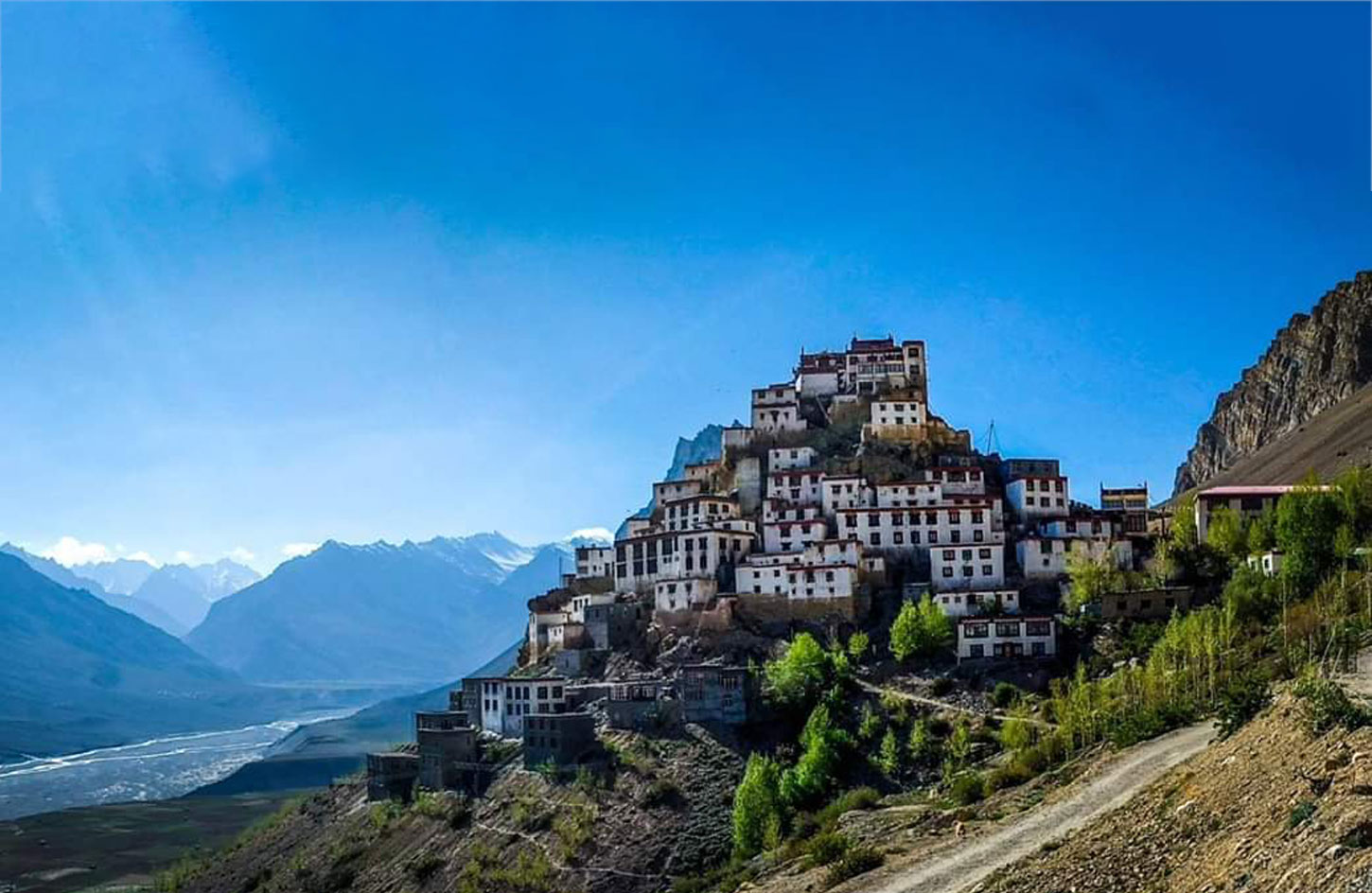
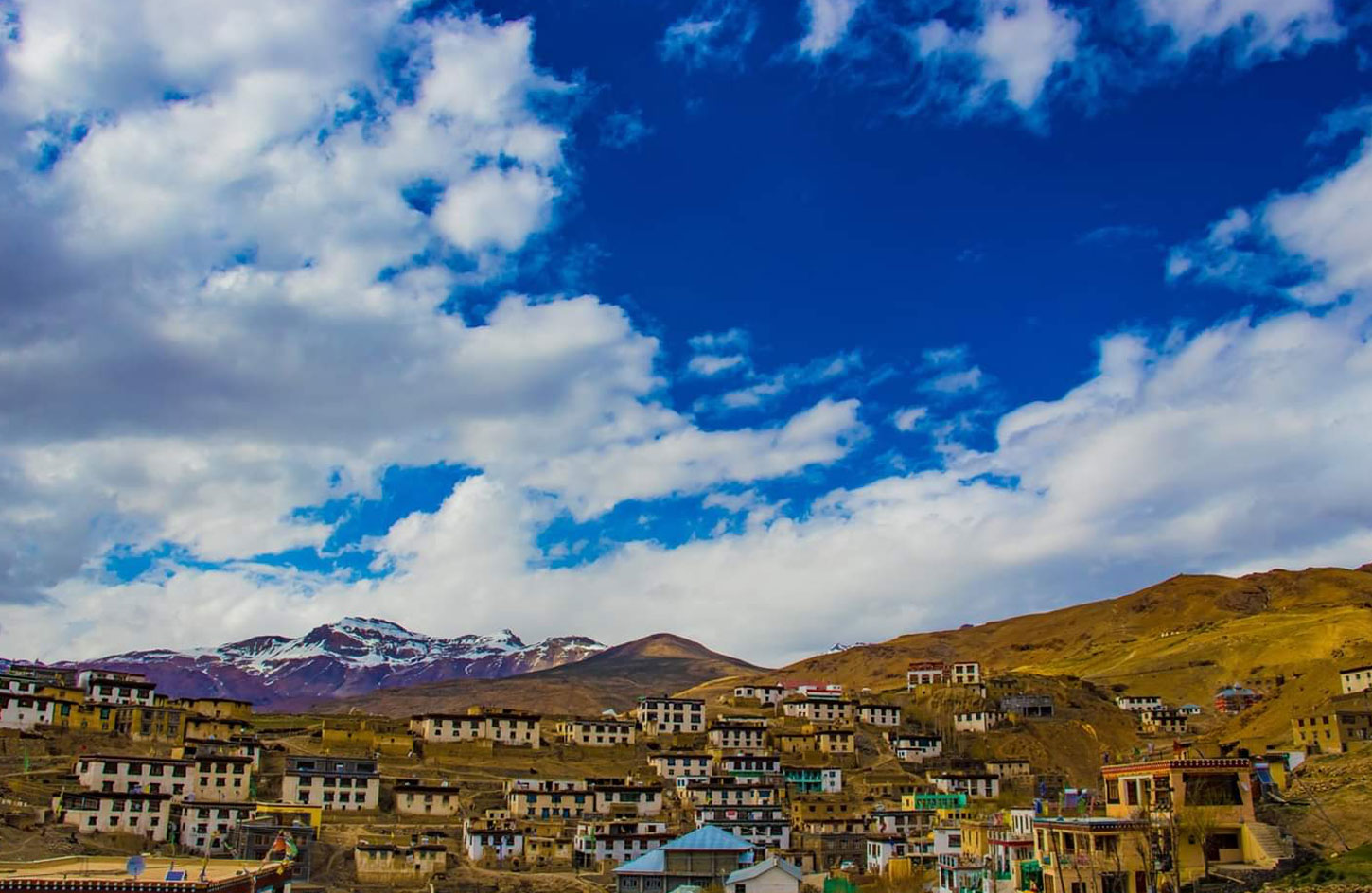
Spiti Long winding roads and valleys that present unforgettable glimpses of cold desert and snow-crowned mountains welcome you when you set foot into Spiti Valley. Bordered on all sides by the Himalayas, Spiti gets just around 250 days of sunshine in the year, making it one of the coldest places in the country. With the thick Himalayan snow cutting Spiti off from the rest of the country for around 6 months a year, the summer months are the only time Spiti is directly accessible via motorway.
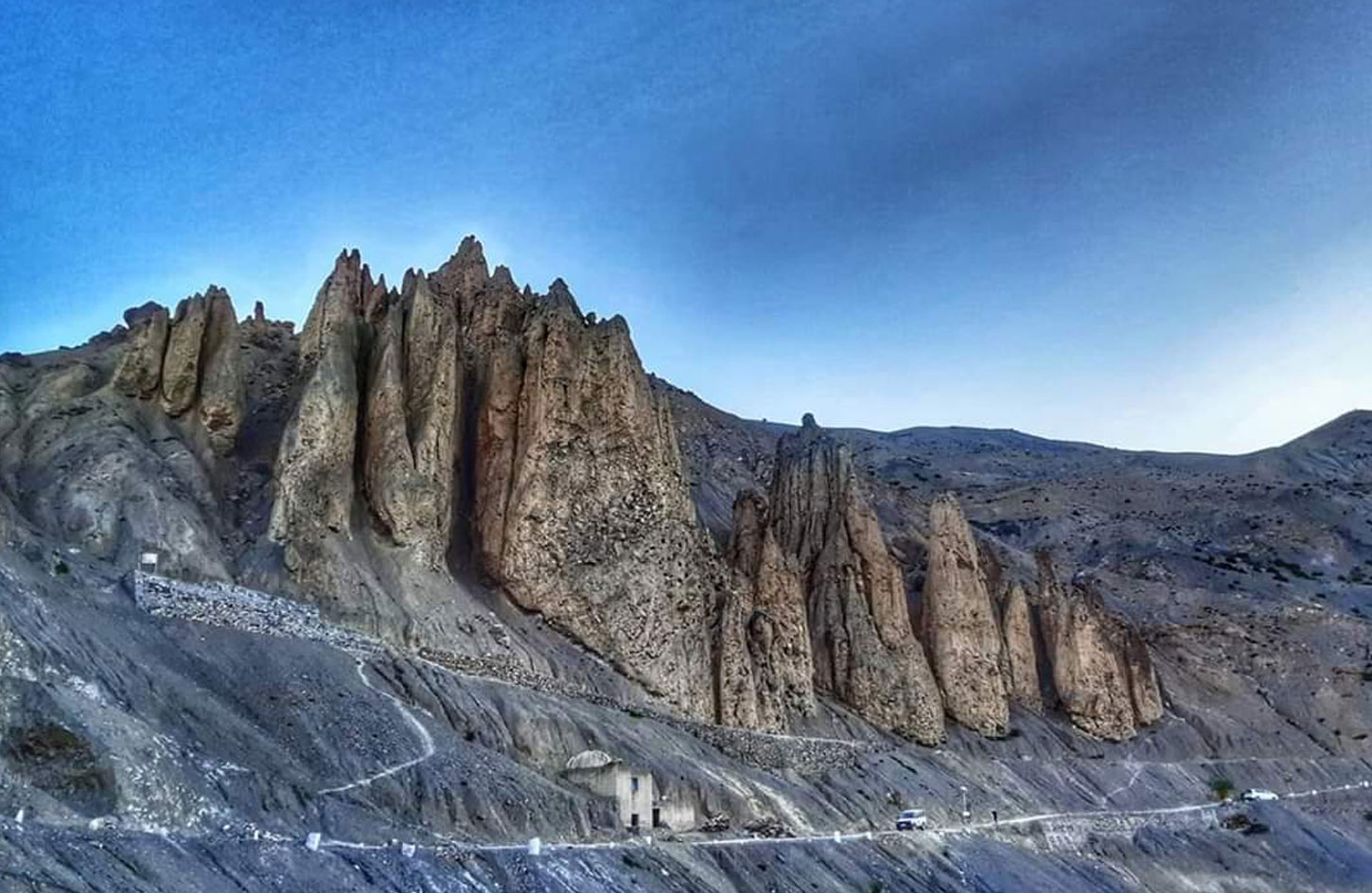
It takes a certain amount of madness to do this. Spiti Valley is a cold desert mountain valley located high in the Himalayas, is full of barren hills, bare mountainsides, rough terrain, and more like a dry desert. Spiti, which loosely translates as ‘the middle land’. In certain stretches NH5 (the old Hindu- stan- Tibet Road) is amazing, but what makes up for this is the gorgeous landscape that changes as one drive through the lush mountains of Kinnaur Valley and crosses into the rugged moonscape of Spiti valley. It just takes one thing to get going for this trip – passion for traveling – and we have that in abundance.
IMPORTANT NOTES:
We always do our best to make sure your holiday arrangements are satisfactory. However, we cannot accept any liability of whatever nature, whether in contract, tort or otherwise, for the acts, omissions or default, whether negligent or otherwise, of these service providers, over whom we have no direct control. Under circumstances where liability cannot be excluded, such liability is limited to the value of that particular purchased travel arrangements in respect of which claims arise. We do not accept any liability in contract, tort or otherwise for any injury, damage, loss, delay, additional expense or inconvenience caused directly or indirectly by force majeure or any other event which is beyond our control or which is not preventable by reasonable diligence on our part. In particular, but without limitation to these conditions, we accept no responsibility for any loss, damage or injury you suffer as a result of terrorism, war (including civil-war), coup, riot, civil disturbance or any type of criminal act. It is your responsibility to inform yourself about the safety and security situation in the places you are travelling to.
Under no circumstances shall the Company be liable to the Client and/or travellers/persons travelling with the Client for any personal injuries, sickness, loss of baggage or denial of visas. In any case, the Company shall not be liable towards any consequential loss, damage or extra costs suffered by the Client for any reasons whatsoever.
NOTES:
Above rates are subject to change as per final confirmation from hotels.
No services are confirmed yet
In case of unavailability in any of above hotels, accommodation will be provided in alternate hotel.
Please consult driver / local representative for next day’s sightseeing schedule / Transfers timings. If any passenger fails to follow timings given to him, then he may miss that particular sightseeing / transfers and The Holidays Trip will not be responsible to arrange the same. He / She Needs to arrange the same on direct payment basis.
- Time management is must during sightseeing to avoid the missing of places, kindly note.
- It is mandatory to carry photo ID card (except Pan Card) while you are on tour. · During sightseeing vehicle will take you up to it is possible to go.
- Hotelier will provide the mattress for extra person.
- Any heater in the room is not included in the offer cost.
Payment policies: –
- Initial Booking Amount — Rs.5000/- of the total booking amount.
- For bookings less than 30 days prior to date of departure, full money is to be paid at the time of booking.
- Invoice will be issued on the same day after the deposit of booking amount. · Hotel Vouchers will be issued within 10 days after deposit of booking amount. · Taxi & Driver details would be issued 1 day prior to date of departure.
The Company reserves the right to cancel a tour or booking made at any time before the departure for any reason whatsoever, including insufficient number of participants, our liability is limited to a refund of the monies paid. The Company reserves the right to make adjustments to the itinerary wherever necessary, due to unforeseen circumstances beyond our control. Any necessary modifications to our itinerary will not deprive the tour participant of program features in any way.
CACELLATION POLICY
- Booking amount is non – refundable
- More than 30 days of arrival: no cancellation charge.
- More than 21 days of arrival: 15% of total tour cost.
- More than 14 days of arrival: 25% of total tour cost.
- More than 07 days of arrival: 50% of total tour cost.
- Less than 6 days of arrival: 75% of total tour cost.
- No show: 100% of total tour cost.
June to September, once the Kunzum and Rohtang passes open; June and September tend to have the most stable weather on the Kinnaur leg.
It’s a long road trip with high-altitude stops. No technical trekking is involved, but altitude can be tiring, especially around Kaza and Chandratal.
Acclimatise gradually at stops like Kalpa or Sangla before pushing on to Kaza and Chandratal, stay hydrated, and avoid alcohol and heavy exertion on your first day at altitude.
Indian nationals do not need an Inner Line Permit for most of this route. Requirements can differ for foreign nationals, so check current rules before travelling.
Network is patchy to nonexistent for long stretches, especially around Chandratal and remote Spiti villages. Download offline maps in advance.
ATMs are limited beyond Kaza, so carry sufficient cash for the rest of the trip.
Chandratal (“Moon Lake”) sits at roughly 4,300m and is one of the trip’s highlights, typically reached with a camping stay near the lake.
A mix of hotels and guesthouses in larger towns like Kalpa and Kaza, with camping near Chandratal — simpler than a typical hotel-based tour.
8 nights / 9 days, as in this itinerary, covers the full circuit from Chandigarh to Manali without rushing.
Fuel stations are limited once you’re deep into Spiti, so top up whenever you can rather than waiting until you’re low.
Yes, Magna Voyagee can adjust the pace or add extra stops — just let us know when enquiring.
Warm layers for near-freezing nights at altitude, sturdy shoes, sunscreen, a power bank, and any personal altitude-sickness medication your doctor recommends.
Yes, the return leg from Chandratal to Manali crosses Rohtang Pass, weather permitting.