
Meghalaya Travel Guide: 7 Ways to Experience Meghalaya at a Slower Pace
There are destinations where the goal is to see as much as possible.
And then there are destinations where the experience comes from slowing down enough to notice what is around you.
Meghalaya belongs to the second category.
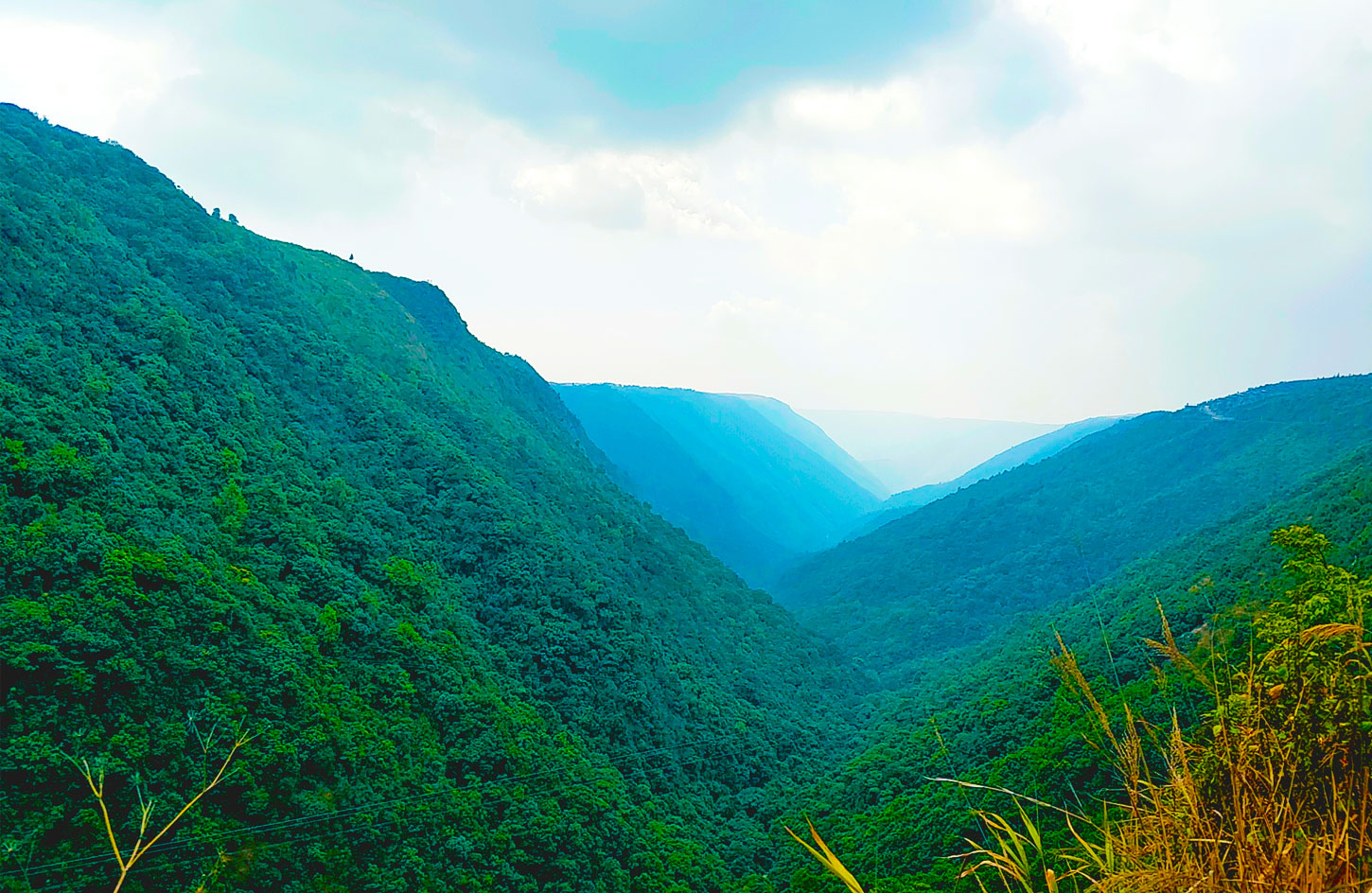
The mist-covered hills of the Khasi and Jaintia regions, rain-fed waterfalls, ancient forests, quiet villages and clear rivers create a landscape that rewards travellers who leave enough space between one experience and the next.
You can come to Meghalaya looking for waterfalls and viewpoints and leave remembering something much simpler — the sound of rain on a forest trail, a conversation in a village, the changing colours of the hills or the silence around a sacred grove.
At Magna Voyagee, we believe Meghalaya is best experienced without trying to tick every attraction off a list.
Here are seven experiences that show you why.
Meghalaya at a Glance
| Travel Detail | What You Should Know |
|---|---|
| Best time to visit | October to April for generally better conditions for sightseeing and trekking |
| Monsoon experience | June to September for dramatic waterfalls and lush landscapes |
| Ideal duration | 6–8 days for a comfortable first trip |
| Main gateway | Guwahati, Assam |
| Popular base | Shillong |
| Must-experience regions | Shillong, Mawphlang, Sohra, Nongriat, Dawki, Mawlynnong |
| Best for | Couples, families, small groups, photographers and nature lovers |
| Travel style | Road trip, nature, local experiences and trekking |
Why Meghalaya Is Perfect for Slow Travel
Meghalaya isn’t simply about reaching the next viewpoint.
Its charm is in the journey between places.
A winding mountain road can be as memorable as the destination at the end of it. A short walk through a forest can become the highlight of an afternoon. A cup of tea overlooking the hills can be more enjoyable than squeezing another attraction into an already-full itinerary.
This is why Meghalaya works particularly well for travellers who prefer experiences over checklists.
1. Walk Through the Mawphlang Sacred Grove
Some forests are visited for photographs.
Mawphlang is better experienced as a place to walk slowly and observe.
The Sacred Grove is protected through generations of Khasi traditions, with local customs playing an important role in preserving the forest ecosystem.
Inside, the atmosphere changes almost immediately.
Moss-covered trees, dense vegetation, orchids and filtered light create a landscape that feels completely different from the roads outside.
Don’t rush through it.
Walk without constantly reaching for your camera. Notice the textures, sounds and details around you.
Magna Voyagee Tip
Allow enough time for Mawphlang instead of treating it as a quick photo stop between Shillong and Sohra.
It works particularly well as part of a slower itinerary where the forest experience is given the time it deserves.
2. Experience the Clear Waters of the Umngot River
Dawki is famous for one unforgettable image — boats appearing to float above incredibly clear water.
But the Umngot River is more than a photograph.
A quiet boat ride lets you experience the river, surrounding hills and changing landscape at a much slower pace.
Water clarity varies with season and weather, so don’t plan your entire experience around getting the exact “glass-like” photograph you may have seen online.
Instead, enjoy the river itself.
When Is the Umngot River at Its Clearest?
The river is generally associated with clearer conditions during the drier months, although water clarity can change depending on rainfall and local conditions.
This is one reason we recommend keeping some flexibility in a Meghalaya itinerary.
3. Let Sohra’s Waterfalls Set the Pace
Sohra, popularly known as Cherrapunji, is one of Meghalaya’s most dramatic landscapes.
During and after the monsoon, the surrounding hills come alive with waterfalls, streams and dense greenery.
Some of the best-known sights include:
- Nohkalikai Falls
- Seven Sisters Falls
- Wei Sawdong Falls
- Dainthlen Falls
- Mawsmai Cave
But here’s something many first-time visitors get wrong:
You Don’t Need to See Every Waterfall
Weather, visibility, road conditions and time can all affect the experience.
Instead of trying to collect photographs of every viewpoint, choose a few experiences and give yourself time to actually enjoy them.
A well-planned Meghalaya journey should leave room for weather changes and spontaneous stops.
4. Discover the Slow Rhythm of Mawlynnong
Mawlynnong became internationally known for its cleanliness and community-led approach to maintaining the village environment.
Today, it remains an interesting stop for travellers who want to see a different side of rural Meghalaya.
Walk through the village.
Notice the bamboo structures, gardens, homes and pathways.
Visit nearby viewpoints and combine the experience with other attractions in the region rather than treating Mawlynnong as a standalone checklist destination.
A Different Kind of Travel Experience
The real value of places like Mawlynnong isn’t simply being able to say you’ve “visited Asia’s cleanest village.”
It is seeing how local communities shape and care for the places they call home.
5. Walk to the Living Root Bridges
If there is one Meghalaya experience that demonstrates the relationship between people and nature better than almost anything else, it is the Living Root Bridges.
Khasi communities have traditionally guided the aerial roots of rubber trees to create natural bridges across streams and valleys.
The most famous is the Double-Decker Living Root Bridge at Nongriat.
And there is one thing you should know before putting it on your itinerary:
This Is Not a Quick Sightseeing Stop
The journey involves a significant number of steps and requires reasonable physical fitness.
The return journey can be demanding.
But that is also what makes reaching the bridge memorable.
The route takes you through dense greenery, streams and villages, with the landscape changing as you descend deeper into the valley.
Magna Voyagee Tip
If Nongriat is important to you, don’t squeeze it between multiple major sightseeing stops.
Give the trek its own day.
That one planning decision can make the experience considerably more enjoyable.
6. Find the Quiet at Laitlum Canyons
Laitlum Canyons is for travellers who enjoy landscapes without needing a long list of activities.
The name is often translated as “End of the Hills”, and the viewpoint offers expansive views across valleys and surrounding hills.
The landscape can change quickly with cloud and mist.
On a clear day, you may see the valleys stretching far into the distance.
On another day, clouds may completely transform the view.
And that unpredictability is part of Meghalaya.
Don’t Plan Meghalaya Around Perfect Weather
One of the biggest mistakes travellers make is expecting every viewpoint to look exactly like an Instagram photograph.
Meghalaya is a weather-driven destination.
Clouds, rain and mist are part of the landscape — not necessarily something that has gone wrong with your trip.
7. Experience Meghalaya’s Everyday Landscape
The most memorable part of Meghalaya may not be a particular attraction at all.
It could be a quiet road through the hills.
A roadside tea stop.
A village conversation.
A short walk through the forest.
Rain arriving unexpectedly during a drive.
Or simply having an evening without somewhere else to rush to.
This is what makes slow travel in Meghalaya different.
You are not necessarily doing less.
You are simply giving yourself enough time to experience what you are already doing.
What Most Travellers Get Wrong About Meghalaya
A Meghalaya itinerary can look deceptively easy on a map.
Shillong → Cherrapunji → Dawki → Mawlynnong.
It appears straightforward.
But the roads are winding, attractions are spread out and some experiences involve considerable walking or trekking.
Five common mistakes to avoid
1. Trying to cover too much in too few days
A seven-day trip should not feel like a race.
2. Treating every attraction as a photo stop
Some places need time rather than another five minutes for a photograph.
3. Underestimating the Nongriat trek
The Living Root Bridge experience requires physical effort.
4. Ignoring weather flexibility
Rain and cloud can change road journeys and viewpoints.
5. Changing hotels every night
A thoughtfully planned route with comfortable bases can make the trip much easier.
How Many Days Do You Need in Meghalaya?
For a first visit, 6–8 days works well if you want to combine the major highlights with a comfortable pace.
4–5 Days
Good for a short introduction covering Shillong and Sohra.
6–7 Days
Ideal for combining Shillong, Sohra, Mawphlang, Mawlynnong and Dawki.
7–8 Days
Better if you want to include Nongriat, additional nature experiences and more relaxed travel days.
If your priority is slow travel rather than checking off attractions, 7–8 days is the sweet spot.
A Suggested 7-Day Slow Meghalaya Itinerary
Day 1 — Guwahati to Shillong
Arrive in Guwahati and begin your journey towards Shillong.
Depending on your arrival time, visit selected attractions around Shillong before settling into your hotel.
Overnight: Shillong
Day 2 — Shillong & Mawphlang
Spend the morning exploring Shillong before heading towards Mawphlang.
Visit the Sacred Grove and experience the forest at an unhurried pace.
Return to Shillong.
Overnight: Shillong
Day 3 — Shillong to Sohra
Drive towards Sohra.
Explore selected waterfalls and viewpoints along the route, allowing time for photographs and short walks.
Overnight: Sohra
Day 4 — Nongriat Living Root Bridge
Keep this day primarily for the Nongriat experience.
The trek is physically demanding, so avoid combining it with a long list of other attractions.
Overnight: Sohra
Day 5 — Sohra to Dawki
Travel towards Dawki through the changing landscapes of Meghalaya.
Enjoy the Umngot River experience depending on local conditions and weather.
Overnight: Dawki / nearby
Day 6 — Mawlynnong & Surroundings
Explore Mawlynnong and nearby attractions before continuing towards your next base.
Keep the day flexible rather than overloading it with sightseeing.
Overnight: Shillong / nearby
Day 7 — Shillong to Guwahati
Enjoy a relaxed morning before travelling back to Guwahati for your onward journey.
Best Time to Visit Meghalaya
There isn’t one perfect month for everyone.
It depends on what you want to experience.
October to April — For Easier Sightseeing & Trekking
These months are generally better suited for road trips, viewpoints and trekking, although weather can still vary.
June to September — For the Monsoon Landscape
If waterfalls, dramatic clouds and intensely green landscapes are your priority, the monsoon creates a very different Meghalaya.
However, heavy rainfall can affect road travel, visibility and outdoor activities.
Our Recommendation
For a first Meghalaya trip combining sightseeing, trekking and comfortable road travel, the post-monsoon and drier months are generally easier to plan.
How to Reach Meghalaya
The most common gateway for travellers is Guwahati in Assam.
From Guwahati, Shillong is connected by road, and the journey becomes the beginning of the Meghalaya experience itself.
For travellers flying from Mumbai or other Indian cities, it is usually practical to plan the journey around Guwahati and then continue by road.
For a private holiday, having a dedicated vehicle can provide considerably more flexibility, particularly when the itinerary includes multiple viewpoints, villages and nature experiences.
Is Meghalaya Suitable for Families?
Yes — but the itinerary should be designed around the family.
Shillong, selected Sohra attractions, Mawlynnong and Dawki can work very well for families.
The Nongriat trek, however, is considerably more demanding and should be evaluated based on the age and fitness of everyone travelling.
A family itinerary should not simply copy a couple’s or adventure traveller’s itinerary.
That is where customised planning makes a difference.
Is Meghalaya Good for Couples?
Absolutely.
But you don’t need to turn Meghalaya into a conventional honeymoon itinerary.
A private road trip, boutique stay, quiet viewpoints, forest walks and time around the hills can create a much more memorable couple’s holiday than simply moving from attraction to attraction.
For couples, we recommend leaving unstructured time in the itinerary.
Sometimes the best part of a Meghalaya trip is the part you didn’t schedule.
What Should You Pack for Meghalaya?
Pack for changing weather rather than a single season.
Essentials
- Comfortable walking shoes
- Light rain jacket
- Quick-dry clothing
- Small day backpack
- Power bank
- Reusable water bottle
- Basic personal medicines
- Sunscreen
- Insect repellent
- Extra socks
For Nongriat, proper footwear is particularly important.
Meghalaya Trip Cost: What Determines Your Budget?
The cost of a Meghalaya holiday depends on:
- Number of travellers
- Hotel category
- Private vs shared transportation
- Number of nights
- Season
- Activities
- Room configuration
- Flight costs
Instead of looking only for the cheapest package, compare what is actually included.
A lower headline price may not include the same hotel category, vehicle type, sightseeing coverage or level of flexibility.
For a customised Magna Voyagee itinerary, we can design the trip around your preferred hotel category, travel dates, group size and pace.
Who Is a Slow Meghalaya Trip Best For?
You’ll probably love it if you:
- Enjoy nature more than crowded attractions
- Like road trips
- Prefer smaller groups
- Enjoy photography
- Want a combination of adventure and relaxation
- Don’t mind changing plans around weather
- Prefer experiences over ticking boxes
You may want a different itinerary if you:
- Want nightlife and shopping to be the main focus
- Prefer highly structured sightseeing
- Want to cover a very large number of attractions in a short time
- Are uncomfortable with long drives or trekking
Frequently Asked Questions
How many days are enough for Meghalaya?
A 6–8 day trip works well for a first visit. Seven days is a good balance between major attractions and a comfortable pace.
Which month is best for Meghalaya?
October to April is generally more convenient for sightseeing and trekking, while the monsoon months offer dramatic waterfalls and lush landscapes.
Is Meghalaya worth visiting during monsoon?
Yes, especially if waterfalls and dramatic green landscapes are your priority. However, heavy rain can affect road conditions and outdoor plans.
Is Nongriat suitable for everyone?
No. The Living Root Bridge trek involves many steps and requires reasonable physical fitness. It should be planned according to the group’s ability.
Is Meghalaya suitable for a family holiday?
Yes. Many parts of Meghalaya work very well for families, but the itinerary should be customised around children’s ages, senior travellers and physical comfort.
Is Dawki worth visiting?
Yes, particularly for the Umngot River and surrounding landscape. Water clarity varies with weather and season, so the experience should not be planned solely around photographs.
Should I hire a private car in Meghalaya?
For a multi-destination holiday, a private vehicle can make the journey more comfortable and flexible, especially when travelling with family or a small group.
Plan Meghalaya at Your Own Pace with Magna Voyagee
The best Meghalaya itinerary isn’t necessarily the one with the most places.
It is the one that gives you enough time to experience the places you came to see.
At Magna Voyagee, we design customised journeys around the way you actually want to travel — whether that means boutique stays, comfortable private transfers, family-friendly sightseeing, adventure experiences or simply more time in the places that matter to you.
From Shillong’s hills to the forests of Mawphlang, the waterfalls of Sohra, the living root bridges of Nongriat and the clear waters of Dawki, we can build a Meghalaya journey around your pace.
Don’t just visit Meghalaya. Give yourself time to experience it.
Enquire for a Customised Meghalaya Itinerary
Written by the Magna Voyagee Travel Team | Destination specialists in customised journeys