
Why Vietnam Feels Different From Every Other Southeast Asian Destination
Reading Time: 18–20 Minutes
Some countries impress you with famous landmarks. Vietnam surprises you with the way it makes you feel. It’s a country that lingers in memory long after the trip ends, not because of a single sight, but because of an accumulation of small, unplanned moments.
You arrive expecting beaches, mountains and beautiful photographs. You leave remembering conversations over coffee, lantern-lit evenings, misty valleys, family-run restaurants, ancient temples and the feeling of slowing down in places that never seem to rush.
Vietnam isn’t simply another destination in Southeast Asia. It’s one of the few countries where every region feels like a completely different journey.
In the north, centuries-old cities meet dramatic limestone mountains. In central Vietnam, colourful heritage towns glow after sunset. Further south, vibrant cities, tropical rivers and island life create an entirely different rhythm.
Even the pace of daily life shifts as you move through the country. Hanoi wakes up early, with vendors setting up along narrow lanes before the first tourists appear. Hoi An slows down at dusk, when lanterns are lit along the river and cafés spill quietly onto the footpath. Ho Chi Minh City, further south, moves with a different energy altogether—fast, layered and constantly evolving. Few countries in Southeast Asia offer this much contrast within a single itinerary.
That’s why Vietnam isn’t a destination you “cover.” It’s a destination you experience.
At Magna Voyagee, we believe Vietnam is best explored slowly, giving yourself enough time to enjoy every region instead of rushing from one attraction to another. That might mean an extra night in Hoi An simply to watch the lanterns come alive, or an unhurried morning in Ninh Binh spent cycling past rice fields instead of ticking off a checklist of viewpoints. The travellers who enjoy Vietnam most aren’t the ones who see the most places—they’re the ones who allow themselves to notice the details in between.
This is a country that rewards curiosity. A conversation with a shopkeeper in the Old Quarter, a shared bowl of pho at a roadside stall, or an unplanned stop at a village market can end up being the most memorable part of the trip—more so than the landmarks themselves.
This guide is designed for travellers who want experiences—not just sightseeing.
What You’ll Experience In This Guide
- Hanoi’s historic streets and hidden cafés.
- Ha Long Bay’s limestone islands.
- Ninh Binh’s peaceful river landscapes.
- Hoi An’s lantern-filled evenings.
- Da Nang’s beaches and mountains.
- Vietnamese food and coffee culture.
- Spiritual temples and pagodas.
- Mountains, caves and countryside.
- A practical 8-day Vietnam itinerary.
- Travel tips, budget guidance and FAQs.
Vietnam At A Glance
| Travel Detail | What You Should Know |
|---|---|
| Best Time to Visit | October to April for comfortable weather across most regions. |
| Green Season | May to September for lush landscapes and fewer crowds. |
| Ideal Duration | 8–10 days for a first Vietnam trip. |
| Main Gateway | Hanoi, Da Nang or Ho Chi Minh City. |
| Currency | Vietnamese Dong (VND). |
| Visa for Indians | Check the latest Vietnam visa rules before travelling, as policies can change. |
| Best For | Couples, families, food lovers, photographers and adventure travellers. |
| Travel Style | Culture • Nature • Beaches • Food • Heritage • Adventure • Slow Travel |
Experience Style
Culture • Nature • Beaches • Food • Heritage • Adventure • Slow Travel
Magna Voyagee Quick Tip
If this is your first Vietnam trip, don’t try to cover the entire country in one week. A thoughtfully planned 8–10 day itinerary through North and Central Vietnam offers a much richer experience than rushing between three regions in the same trip.
Why Vietnam Feels Different From Every Other Southeast Asian Destination
Three Regions, Three Completely Different Experiences
Vietnam constantly changes around you. A few days in the country can feel like visiting multiple destinations, each with its own landscape, pace and character.
North Vietnam
Historic Hanoi, Ha Long Bay, mountain valleys, rice terraces and peaceful temples. Northern Vietnam moves at an unhurried pace, shaped by centuries of history layered into its old quarters, its lakeside temples and its terraced hillsides. It’s the region most travellers associate with postcard Vietnam—misty limestone islands rising from the sea, quiet villages tucked into valleys and mornings that begin with the smell of fresh coffee drifting through narrow streets.
Central Vietnam
Hoi An, Da Nang, Hue, caves, beaches and heritage towns. Central Vietnam feels like an entirely different country—coastal, colourful and unmistakably shaped by centuries of trade. Lantern-lit streets, imperial ruins, hidden caves and long stretches of beach sit within a short drive of each other, making this the region where heritage and relaxation blend most naturally.
South Vietnam
Ho Chi Minh City, Mekong Delta, floating markets and tropical islands. The south trades quiet river towns for fast-moving streets, rooftop cafés and a skyline that keeps growing. It’s where old Saigon architecture meets modern Vietnam, and where the Mekong Delta offers a completely different rhythm of life built around water, boats and floating markets.
Instead of repeating the same scenery, Vietnam offers a new landscape—and a new mood—every few days. Few countries in the region ask so little of you in terms of adjustment while giving so much variety in return. That’s what makes Vietnam unique within Southeast Asia.
1. Hanoi’s Old Quarter Is Organized Chaos You Learn to Love
Hanoi isn’t a city you simply visit. It’s a city you wander through.
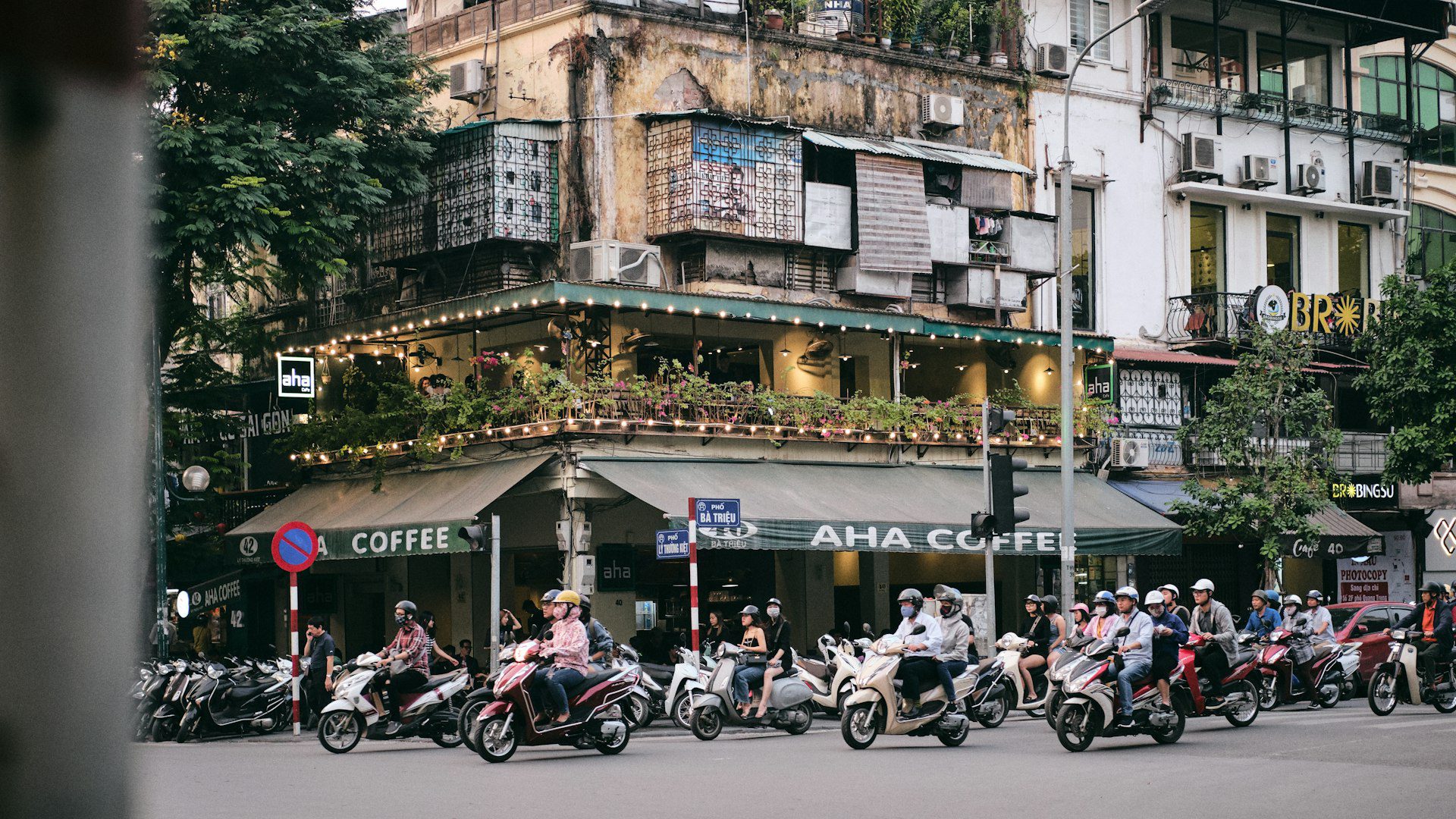
Narrow streets filled with scooters, cafés hidden behind tiny alleyways, flower markets, local temples and street food create an atmosphere unlike anywhere else.
The Old Quarter has kept its historic layout largely intact, with streets that were once named after the specific goods traded there—silk, silver, paper, herbs. Walking through them today still gives a sense of that old commercial rhythm, even as the neighbourhood has grown into one of Hanoi’s most visited areas. Motorbikes weave between fruit carts, temples sit quietly behind incense smoke, and pavement cafés spill out onto every corner.
Don’t Miss
- Hoan Kiem Lake
- Train Street
- Dong Xuan Market
- St. Joseph Cathedral
- Egg Coffee cafés
Evenings bring a different energy. Weekend nights see the Old Quarter’s central streets close to traffic, filling instead with food stalls, street performers and families out for a walk. It’s one of the easiest ways to feel part of local life rather than simply observing it from the outside.
Magna Voyagee Tip: Wake up before sunrise and walk around Hoan Kiem Lake to experience Hanoi’s quieter side—locals practising tai chi, vendors setting up for the day, and a stillness that disappears within the hour.
2. Ha Long Bay Feels Like Another Planet
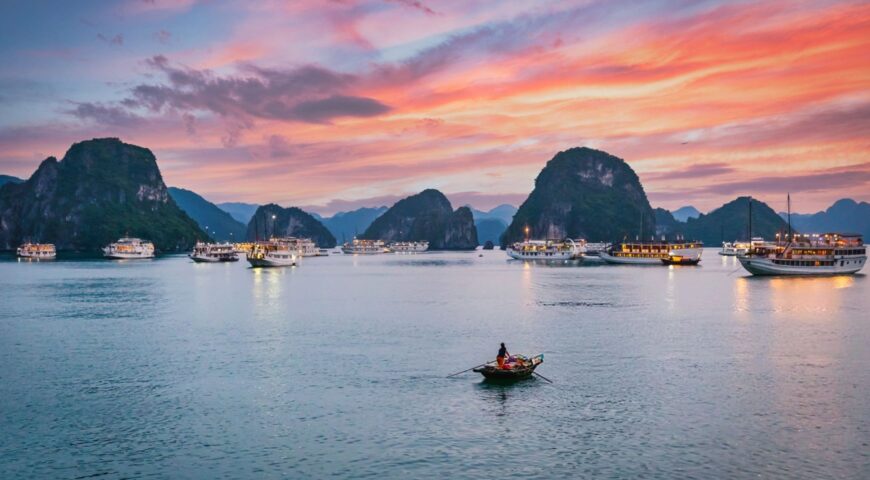
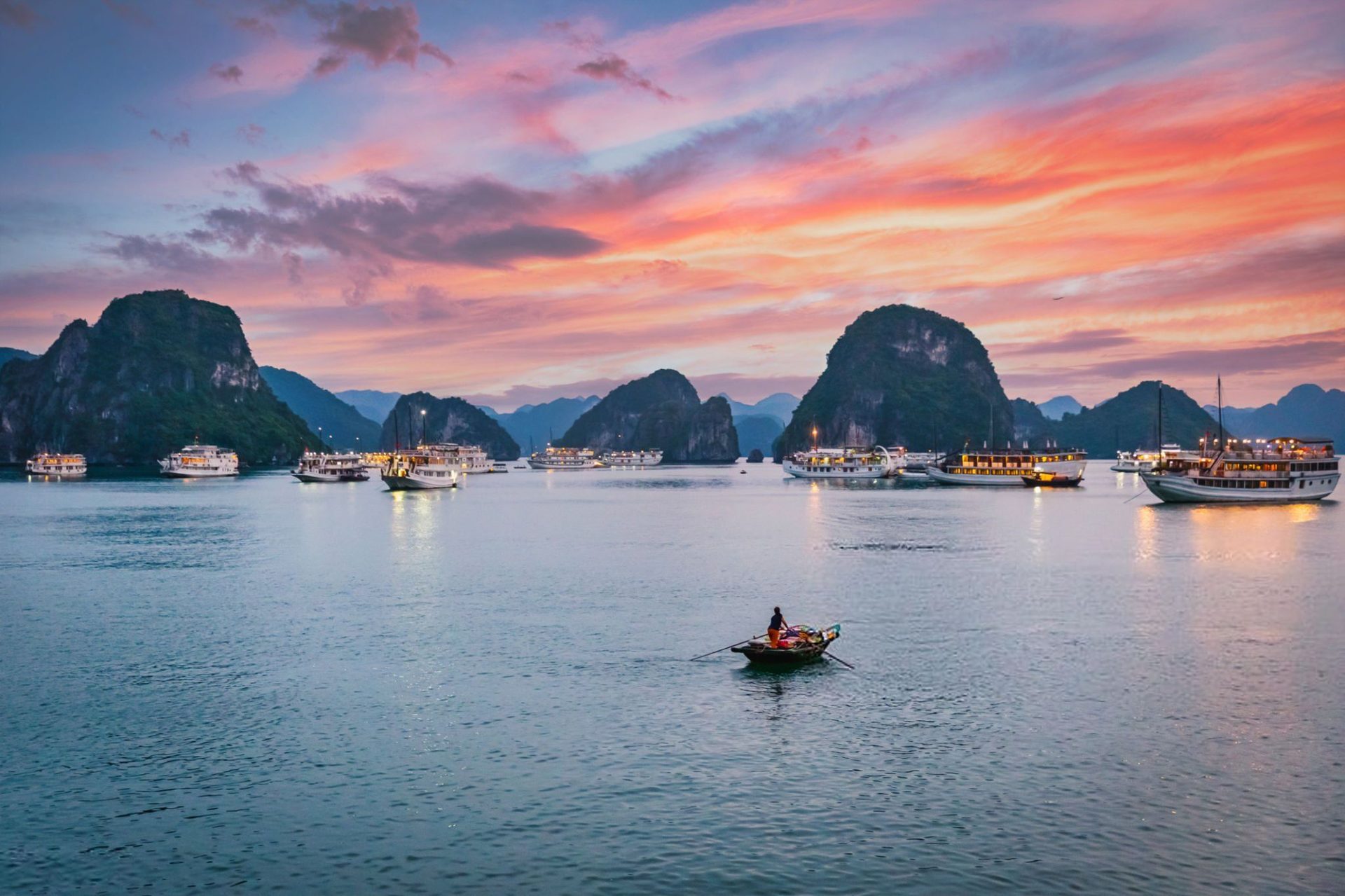
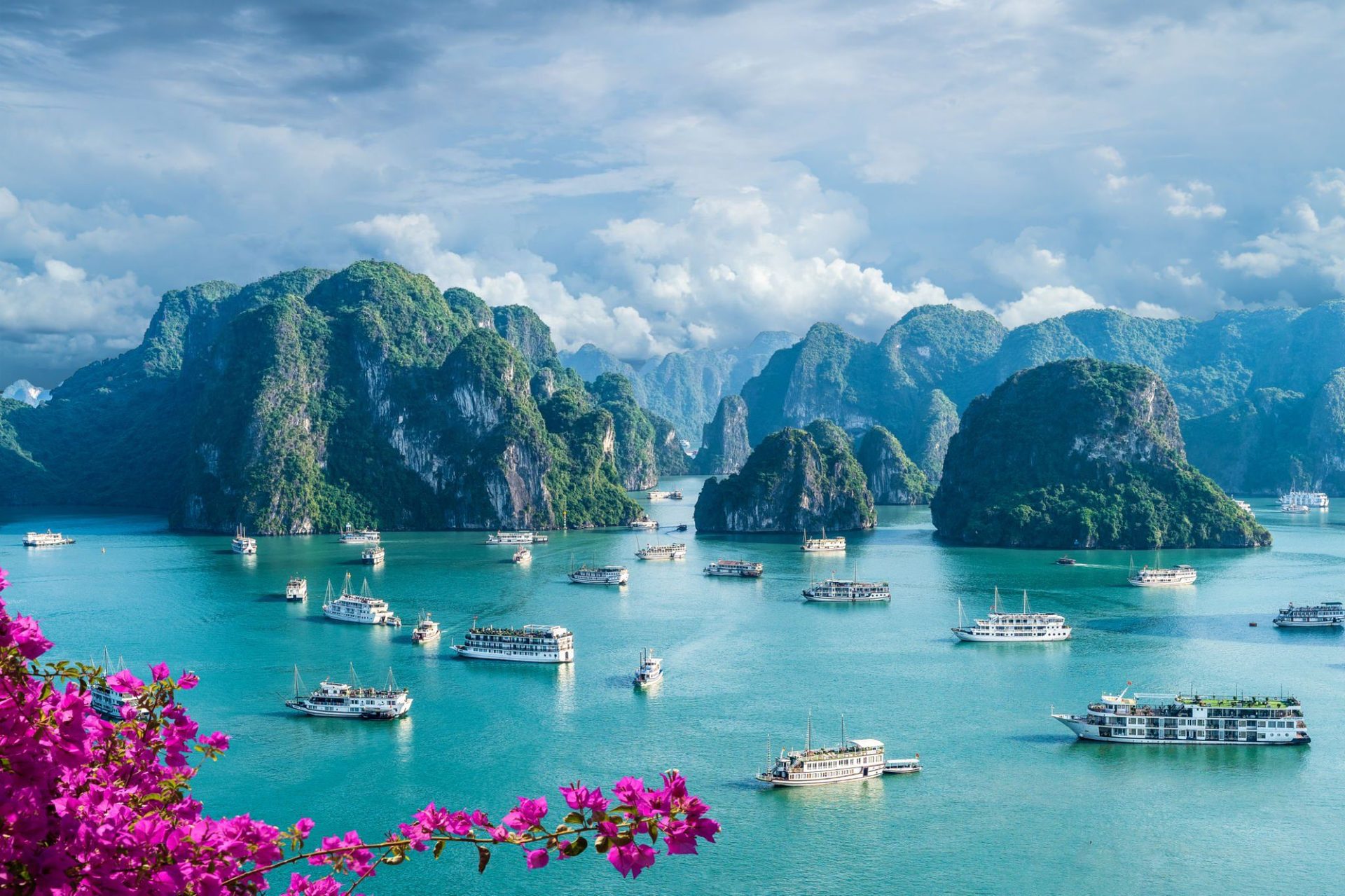
Thousands of limestone islands rise from emerald water, creating one of Asia’s most iconic landscapes.
The experience isn’t just about photographs. It’s about kayaking, caves, floating villages and watching sunrise from a cruise.
The bay’s limestone karsts rise directly from the water in clusters that seem to multiply the further you sail. Much of the area is a protected UNESCO World Heritage Site, but that hasn’t diminished the sense of scale—cruising between the islands still feels vast and slightly otherworldly, especially in early morning mist.
Best Experiences
- Overnight cruise
- Kayaking
- Sunset on deck
- Cave exploration
- Floating fishing villages
Most itineraries include time in smaller, quieter coves away from the main cruising routes, where the water turns a deeper green and the only sounds are the engine slowing and birds overhead. These quieter pockets are often where the bay’s reputation truly makes sense.
Magna Voyagee Tip: Choose an overnight cruise instead of a day trip if time allows—sunrise and sunset over the karsts are reason enough on their own, and the slower pace on board is part of the experience.
3. Ninh Binh Is Vietnam’s Quiet Masterpiece
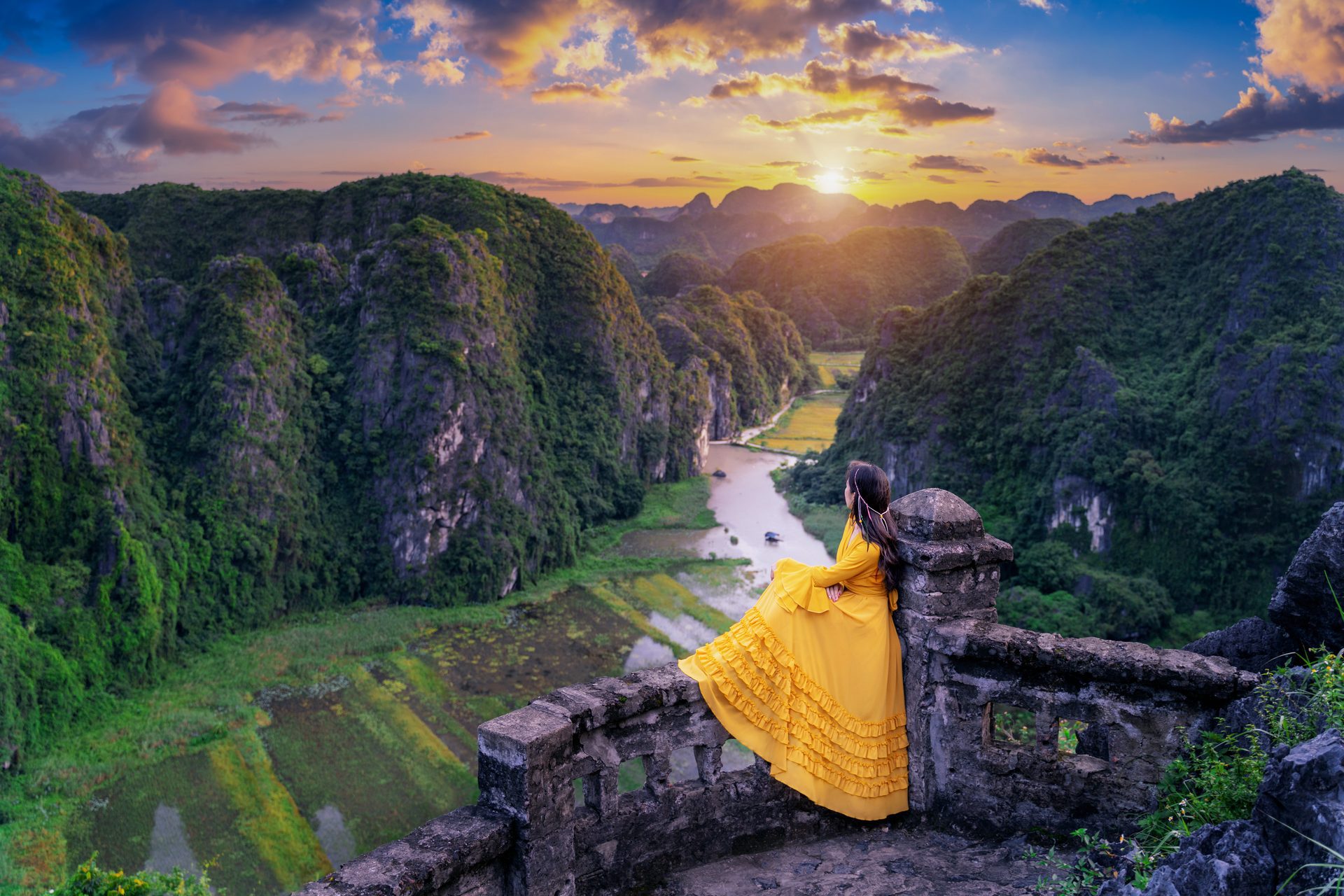
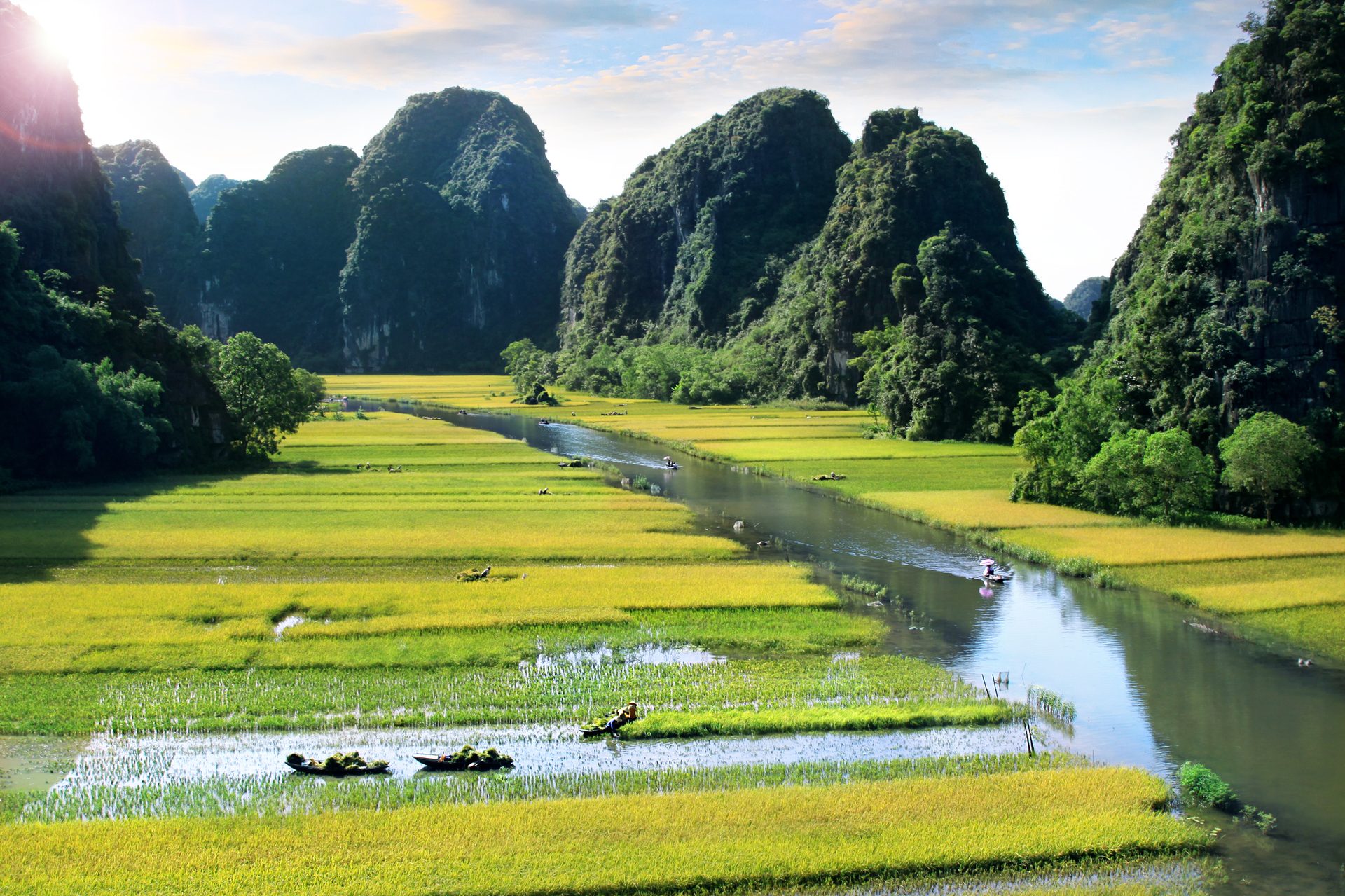
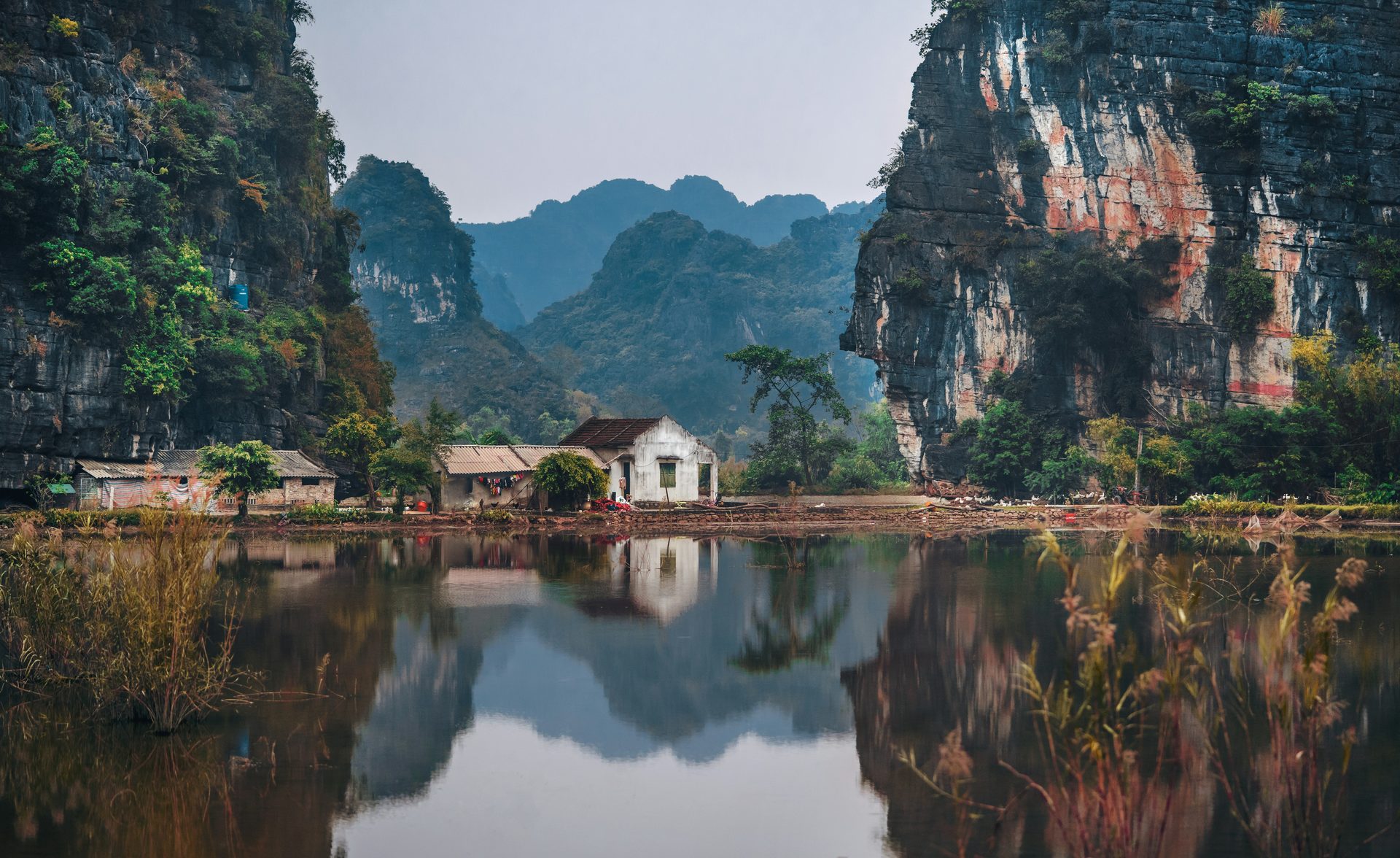
Often called “Ha Long Bay on land,” Ninh Binh offers peaceful rivers surrounded by towering limestone mountains.
Slow boat rides, cycling and countryside walks make it one of Vietnam’s most rewarding destinations.
Ninh Binh’s limestone peaks rise out of flooded rice paddies and slow-moving rivers, creating scenery that changes with the seasons—vivid green in summer, golden during harvest, and quietly still in winter. Small sampan boats, often rowed by local villagers, glide through narrow cave passages carved into the rock, linking one valley to the next.
Don’t Miss
- Trang An
- Tam Coc
- Hang Mua Viewpoint
- Ancient temples
- Countryside cycling
Unlike busier parts of the country, Ninh Binh still feels lived-in rather than staged for visitors. Farmers work the fields beside the boat routes, water buffalo graze along the banks, and the pace rarely rises above a gentle drift.
Magna Voyagee Tip: Visit Trang An in the early morning before tour boats fill the river—the reflections on the water are calmest in the first two hours after sunrise.
4. Hoi An Is Beautiful After Everyone Else Leaves
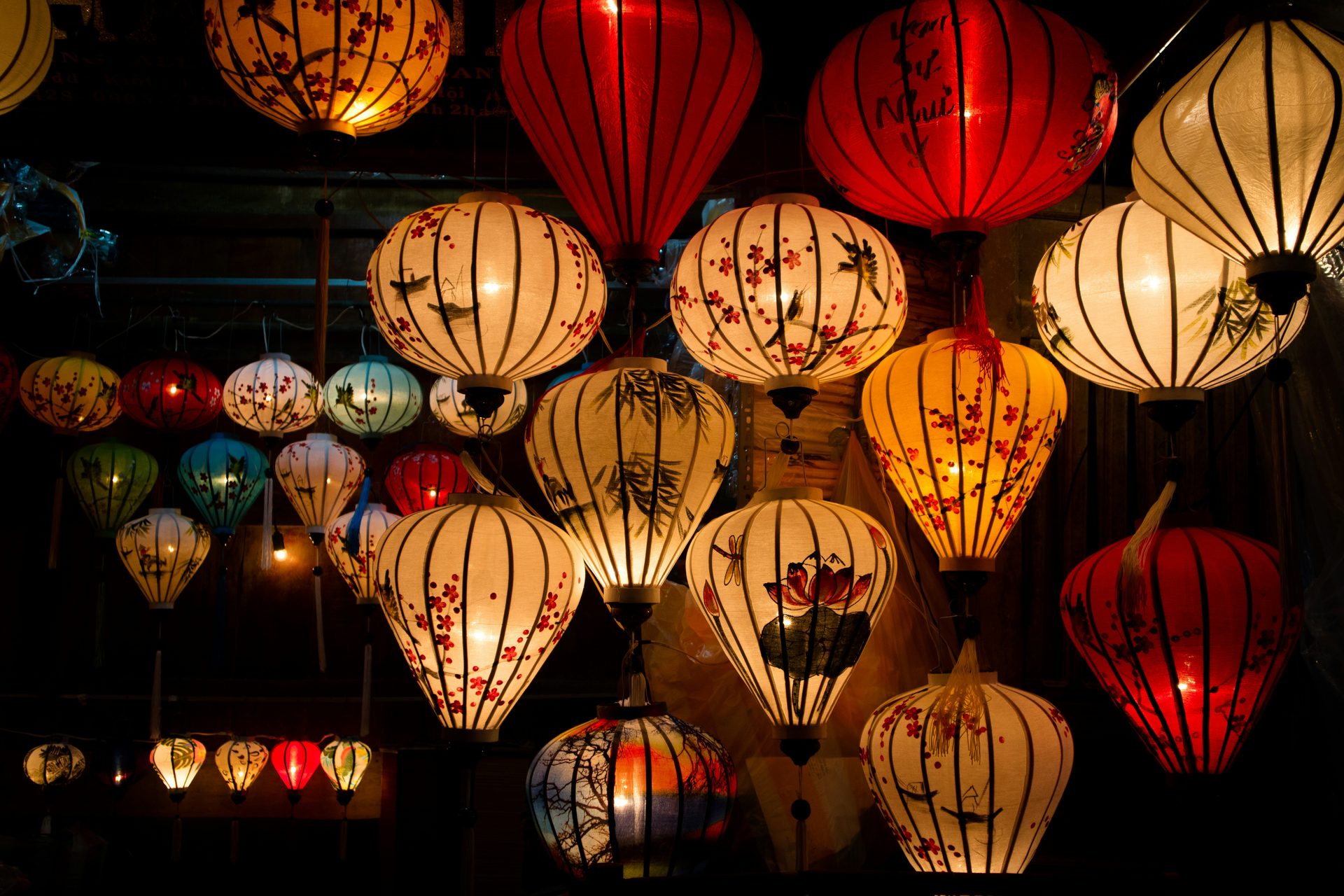
Hoi An changes completely after sunset. Lanterns illuminate ancient streets while boats drift along the river carrying glowing candles.
Hoi An’s Ancient Town has changed remarkably little in appearance over the past few centuries. Yellow-washed shophouses, Chinese assembly halls and a covered Japanese bridge sit along streets that once formed one of Southeast Asia’s busiest trading ports. Today, the same streets close to traffic each evening, and hundreds of silk lanterns are lit by hand along the riverbank.
Best Experiences
- Lantern-lit evening walk.
- Riverside cafés.
- Japanese Covered Bridge.
- Tailor-made clothing.
- Night market.
Daytime Hoi An has its own appeal—tailors fitting custom clothing within a day, quiet breakfast spots along the river, and cycling routes that lead out to rice fields and the coast within minutes. But it’s after dark, when the lanterns reflect on the water and small boats drift past carrying candles, that most travellers understand why Hoi An is often described as Vietnam’s most romantic town.
Magna Voyagee Tip: Stay overnight instead of visiting only during the day—Hoi An after the day-trip crowds leave is a genuinely different town.
5. Da Nang Balances Beaches And Mountains
Da Nang combines city life with beaches and adventure.
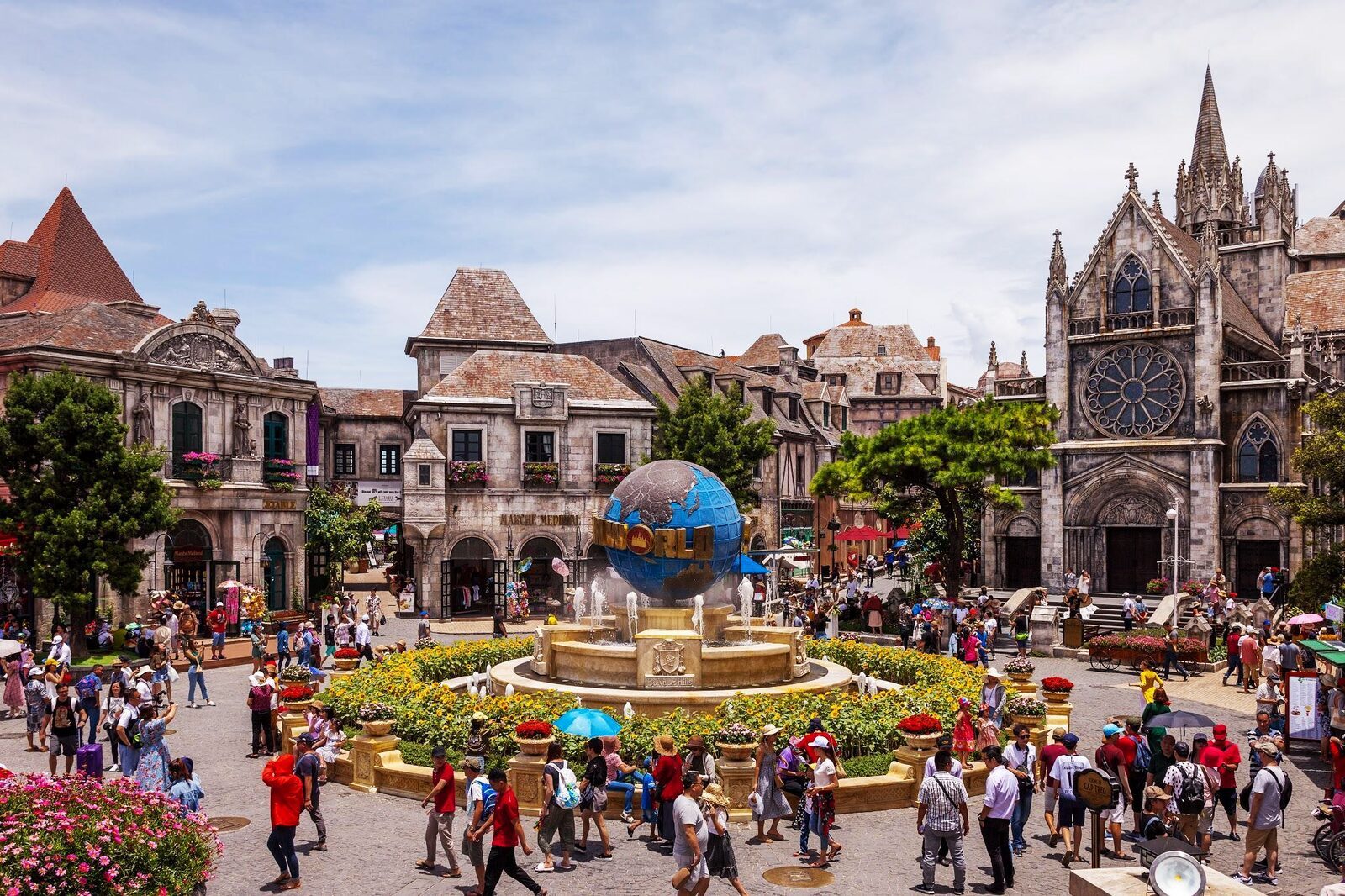
Sitting between Hoi An and Hue, Da Nang has grown quickly into one of central Vietnam’s most modern cities, without losing access to the mountains and coastline around it. A long stretch of beach runs through the city itself, while the Marble Mountains and Ba Na Hills sit within easy reach for a half-day trip.
Highlights
- Golden Bridge.
- Ba Na Hills.
- Marble Mountains.
- Dragon Bridge.
- My Khe Beach.
The Golden Bridge, held aloft by giant stone hands above the Ba Na Hills, has become one of Vietnam’s most photographed sites, but the mountain resort around it also offers cooler air and panoramic views that are worth the visit on their own.
Magna Voyagee Tip: Visit Ba Na Hills early morning, both for clearer views before the afternoon mist rolls in and to avoid the busiest cable car queues.
6. Vietnamese Food Changes In Every Region
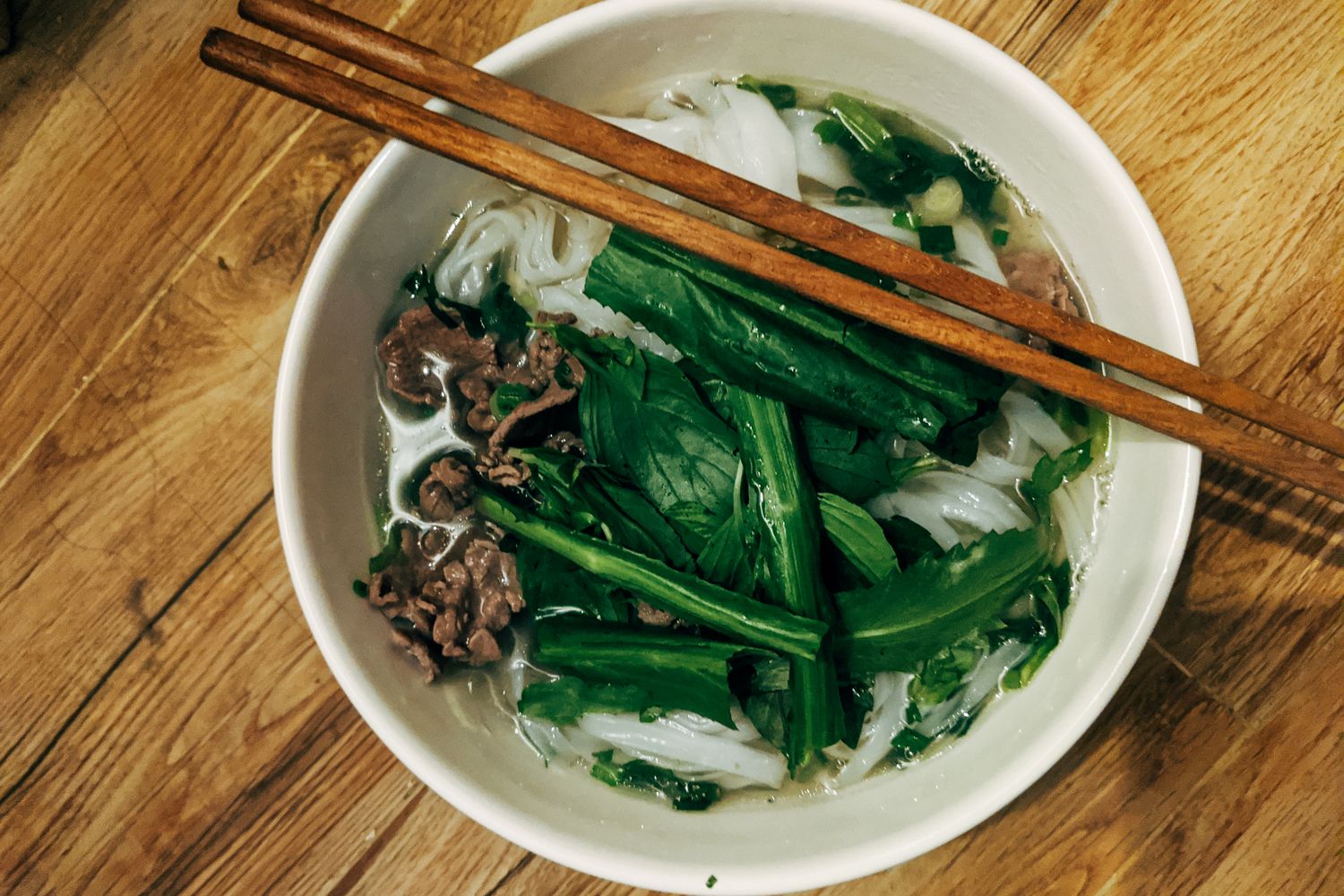
Vietnam is one of Southeast Asia’s best food destinations. Every region has different flavours.
Vietnamese cuisine changes noticeably as you move through the country. Northern dishes tend to favour lighter, cleaner broths, central Vietnamese food is often spicier and more complex, and southern cooking leans toward sweeter flavours and fresh herbs. Trying the same dish—pho, for example—in Hanoi and then again further south is a genuinely interesting way to taste the country’s regional character.
Must Try
- Pho
- Bun Cha
- Banh Mi
- Fresh Spring Rolls
- Egg Coffee
- Coconut Coffee
Street food culture is central to daily life here, not a novelty for visitors. Plastic stools on the pavement, a single specialty dish cooked for decades by the same family, and prices that rarely reflect the quality on offer are all part of the experience.
Magna Voyagee Tip: Some of Vietnam’s best meals come from local neighbourhood eateries rather than famous restaurants—look for the stalls with the most local customers, not the longest menus.
7. Vietnam’s Spiritual Side Feels Authentic
Temples remain an active part of everyday life.
Temples and pagodas across Vietnam remain working places of worship rather than static monuments. Incense burns continuously, offerings are refreshed daily, and locals visit throughout the week—not only on significant dates. This gives even well-known sites a sense of ongoing life rather than a purely historical feel.
Visit
- Temple of Literature.
- Tran Quoc Pagoda.
- Linh Ung Pagoda.
- Local Buddhist temples.
Many temples sit within busy neighbourhoods, tucked behind markets or residential lanes, which makes them easy to combine with everyday sightseeing rather than requiring a separate excursion. Dress respectfully and observe local customs quietly.
Magna Voyagee Tip: Visit early morning or late afternoon, when temples are quieter and the light through the incense smoke is at its most atmospheric.
8. Mountain Passes And Hidden Countryside
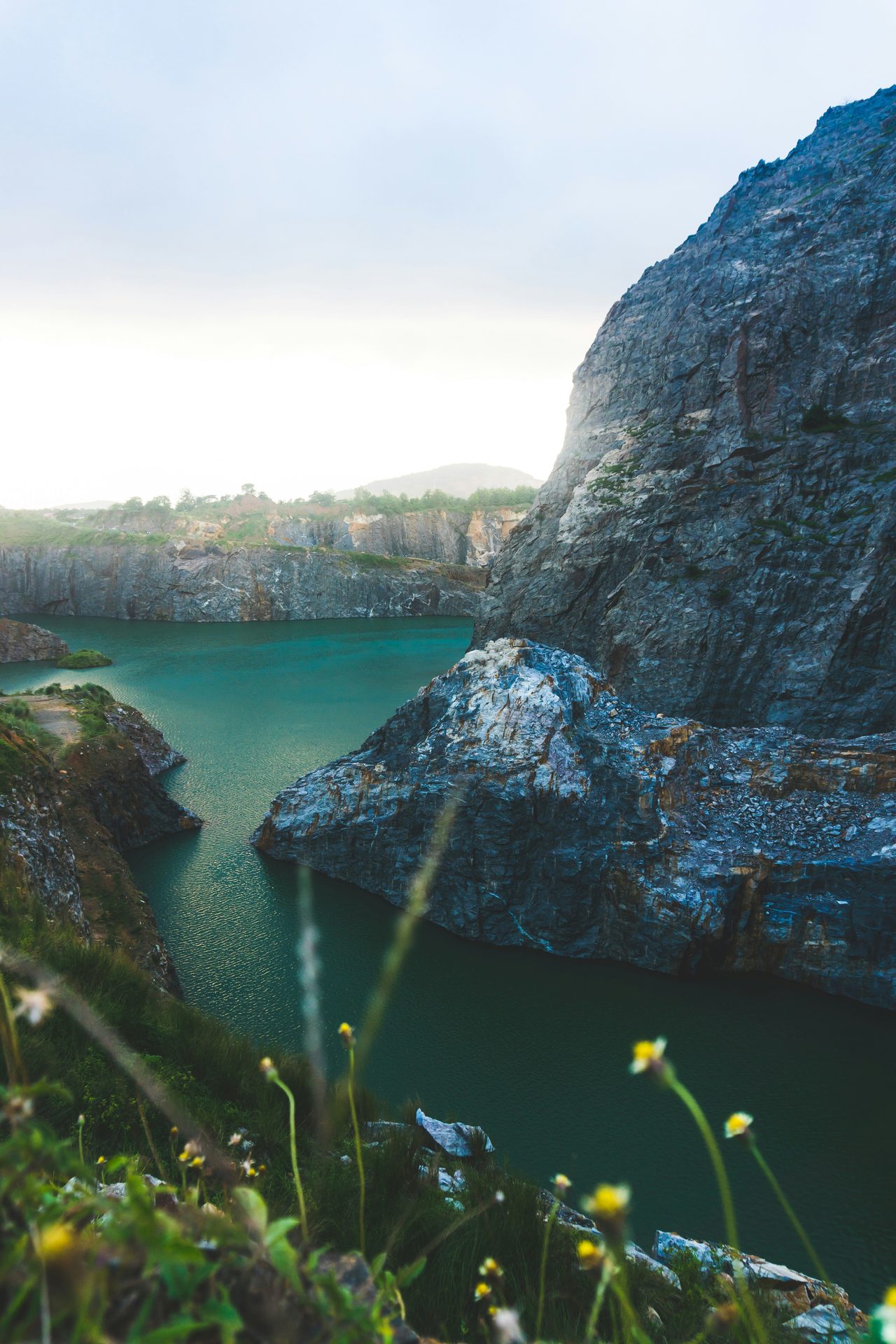
Vietnam offers dramatic mountain landscapes beyond its cities.
The Hai Van Pass, once the historic dividing line between northern and southern Vietnam, climbs along a coastline of cliffs and beaches with sweeping views back toward Da Nang. Further inland, Phong Nha-Ke Bang National Park protects one of the world’s most significant cave systems, including chambers large enough to hold entire city blocks.
Experiences
- Hai Van Pass.
- Phong Nha Caves.
- Paradise Cave.
- Limestone valleys.
- Countryside villages.
These landscapes are often overlooked by travellers focused only on the coastal towns, yet they offer some of Vietnam’s most dramatic scenery and a noticeably different pace—quiet villages, terraced fields and long stretches of road with barely another vehicle in sight.
Magna Voyagee Tip: If time allows, add a full day around Phong Nha—the caves alone justify the detour from the usual coastal route.
9. Local Life Is Vietnam’s Greatest Attraction
Some of the country’s best memories happen away from famous attractions.
Rice fields stretch along much of Vietnam’s countryside, worked much the same way they have been for generations. Early mornings bring farmers out into the paddies, while village markets fill with produce, fresh noodles and household goods long before most visitors are awake.
Experience
- Rice fields.
- Village cafés.
- Local markets.
- Fishing villages.
- Cycling through countryside.
These moments rarely appear on a typical itinerary, yet they’re often what travellers remember most clearly once they’re home—a wave from a passing cyclist, a shared laugh over a language barrier, or the simple rhythm of a village going about its day.
Magna Voyagee Tip: Build in unstructured time between destinations—some of Vietnam’s best experiences happen in the gaps between planned stops, not during them.
10. Vietnam Rewards Travellers Who Slow Down
It’s easy to plan a Vietnam trip around a list of landmarks, and just as easy to leave feeling like you never really arrived anywhere. The travellers who come away with the strongest memories are usually the ones who left space in their itinerary for things to happen naturally.
The best moments aren’t always planned. A hidden café. A village conversation. A quiet sunrise. A lantern floating on the river.
That’s slow travel. And that’s the Vietnam Magna Voyagee wants travellers to experience—not a country to be checked off, but one to be felt.
Magna Voyagee Tip: Leave at least one afternoon in your itinerary completely unplanned—it’s often where the best stories come from.
What Most Travellers Get Wrong About Vietnam
Five Common Mistakes
- Trying to cover the whole country in one week. Vietnam is long and narrow, and its regions are further apart than they appear on a map. Cramming Hanoi, Hoi An and Ho Chi Minh City into seven days usually means long travel days and very little time to actually settle into any one place.
- Spending only one night in Hoi An. Hoi An’s character only really shows itself after the day-trip crowds leave. One night is rarely enough to see both the busy daytime town and the quieter, lantern-lit evening it’s known for.
- Skipping Ninh Binh. Because it doesn’t have the name recognition of Ha Long Bay, Ninh Binh is often left off first-time itineraries entirely, even though many travellers who do visit rate it among the most memorable stops in the country.
- Planning only around Instagram locations. Iconic spots like the Golden Bridge are worth seeing, but building an entire itinerary around photo opportunities can mean missing the quieter, more personal experiences—a village market, a family-run café, a local temple—that usually leave a stronger impression.
- Ignoring regional weather differences. Vietnam’s climate varies significantly from north to south, and a season that’s ideal for Hanoi may bring rain to central Vietnam. Checking regional conditions rather than a single national forecast makes for a much smoother trip.
A slower itinerary, built around fewer regions and more time in each one, almost always creates a better experience than trying to see everything at once.
How Many Days Do You Need In Vietnam?
| Trip Length | Best For |
|---|---|
| 5 Days | Hanoi + Ha Long Bay. |
| 7 Days | Hanoi, Ha Long Bay and Hoi An. |
| 8 Days | North + Central Vietnam. |
| 10 Days | Comfortable North and Central Vietnam journey. |
Magna Voyagee Recommendation
8–10 days offers the best balance for first-time travellers, allowing enough time to properly experience both North and Central Vietnam without the trip feeling rushed. Travellers with two weeks or more can comfortably extend into the south to include Ho Chi Minh City and the Mekong Delta.
A Suggested 8-Day Vietnam Itinerary
Day 1
Arrive in Hanoi and explore the Old Quarter.
Day 2
Hanoi city experiences and Train Street.
Day 3
Overnight Ha Long Bay Cruise.
Day 4
Return and travel to Ninh Binh.
Day 5
Fly to Da Nang and transfer to Hoi An.
Day 6
Hoi An Ancient Town and lantern evening.
Day 7
Golden Bridge and Ba Na Hills.
Day 8
Da Nang sightseeing and departure.
Best Time To Visit Vietnam
| Season | What to Expect |
|---|---|
| October–April | Pleasant weather for sightseeing across North and Central Vietnam. |
| May–September | Greener landscapes, warmer weather and occasional rainfall. |
Vietnam’s length means it rarely experiences a single, uniform climate at any given time. The north has a more distinct cool season, roughly November to March, while central Vietnam sees its wettest months later in the year, typically September to January. The south stays warm year-round, with its weather generally split between a dry and a wet season rather than the four seasons felt further north.
For first-time visitors focused on North and Central Vietnam, October to April is generally the easiest period to plan around, offering drier days for cruising Ha Long Bay, walking Hoi An’s streets and exploring Hanoi on foot.
How To Reach Vietnam From India
Vietnam is well connected through direct and connecting flights from:
- Mumbai
- Delhi
- Bangalore
- Kolkata
Popular arrival airports include Hanoi, Da Nang and Ho Chi Minh City. Choosing the right arrival city can save a domestic flight later—travellers focused on North and Central Vietnam often find it more convenient to fly into Hanoi and depart from Da Nang, rather than backtracking through a single gateway.
Getting Around Vietnam
Vietnam is easy to explore using:
- Domestic flights.
- Vietnam Railways.
- Grab taxis.
- Private transfers.
- Local taxis.
- Sleeper buses for longer routes.
Domestic flights are usually the most time-efficient way to cover longer distances, such as between Hanoi and Da Nang, while trains and private transfers work well for shorter, scenic stretches like Hanoi to Ninh Binh. For families and small groups, a private transfer between cities often removes the guesswork of navigating stations and schedules.
Overnight sleeper trains and buses have their own appeal for travellers who enjoy a slower pace—waking up in a new city rather than losing a day to transit. They’re rarely the fastest option, but for some travellers, the journey itself becomes part of the experience rather than simply a way to get from one place to the next.
Is Vietnam Suitable For Families?
Yes.
Vietnam offers beaches, heritage towns, cruises and easy sightseeing that work well for families. Ha Long Bay cruises tend to be a highlight for children, while Hoi An’s traffic-free evening streets and relaxed pace make it comfortable for parents travelling with younger kids or grandparents.
A customized itinerary makes travelling with children and senior travellers much more comfortable—building in shorter travel days, private transfers instead of public transport, and enough downtime between activities so the trip doesn’t feel rushed for any generation in the group.
Family-friendly stays in Hoi An and Da Nang also tend to offer more space and easier logistics than city-centre hotels in Hanoi, which is worth factoring in if you’re travelling with young children or grandparents who prefer a quieter base each evening.
Is Vietnam Good For Couples?
Absolutely.
Hoi An’s evenings, Ha Long Bay cruises, boutique stays and beach cafés create a memorable couple’s holiday without feeling overly commercial. A private boat trip through Ha Long Bay’s quieter coves, a lantern-lit dinner beside the river in Hoi An, or a few unhurried days on Da Nang’s coastline all lend themselves naturally to a slower, more intimate pace of travel.
What Should You Pack For Vietnam?
Essentials
- Comfortable walking shoes.
- Light clothing.
- Rain jacket.
- Sunscreen.
- Sunglasses.
- Power bank.
- Universal adapter.
- Reusable water bottle.
- Personal medicines.
- Extra socks.
Vietnam Trip Cost: What Determines Your Budget?
Your budget depends on:
- Flights.
- Hotel category.
- Cruise selection.
- Number of travellers.
- Activities.
- Transfers.
- Travel season.
Budget-conscious travellers can keep costs down by choosing shorter domestic transfers, standard cruise cabins and mid-range guesthouses, while travellers looking for a more comfortable trip typically see costs rise through boutique hotels, private transfers and higher-category cruise cabins with better views and service.
Rather than comparing only the cheapest package, compare what is included—transfers, meals, guided experiences and cruise categories can vary significantly between itineraries that look similar on price alone.
At Magna Voyagee, every Vietnam itinerary is customized around your travel style, so the budget reflects the experience you actually want rather than a fixed, one-size-fits-all package.
Travel season also plays a role. Peak months around major holidays can push up flight and hotel prices across the country, while shoulder-season travel—just before or after the busiest weeks—often delivers similar weather at a more comfortable cost.
Who Is A Vietnam Journey Best For?
You’ll love Vietnam if you:
- Enjoy culture and nature equally.
- Love photography.
- Enjoy local food experiences.
- Prefer road trips.
- Want beaches and mountains in one holiday.
- Enjoy slower, meaningful travel.
Frequently Asked Questions
How many days are enough for Vietnam?
7–10 days is ideal for a first visit, giving enough time to experience North and Central Vietnam without rushing between destinations.
Which month is best for Vietnam?
October to April is generally the easiest period for sightseeing across North and Central Vietnam, though the exact best window can shift slightly depending on which regions you’re prioritising.
Is Vietnam expensive for Indian travellers?
Vietnam offers options across different budgets, from simple guesthouses and street food to boutique hotels and private cruises, so costs can be shaped around what matters most to you.
Is Ha Long Bay worth staying overnight?
Yes. Overnight cruises provide a more relaxed experience, with time to enjoy sunrise and sunset over the karsts rather than rushing through on a single-day visit.
Should I stay in Hoi An or Da Nang?
Ideally experience both—Hoi An for its lantern-lit evenings and heritage streets, and Da Nang for its beaches, mountains and easier access to Ba Na Hills.
Is Ninh Binh worth visiting?
Yes. It is one of Vietnam’s best slow-travel destinations, offering scenery and a pace that’s noticeably different from the busier northern cities.
Is Vietnam suitable for families?
Yes, especially with a customized itinerary that builds in shorter travel days and private transfers for comfort.
Is Vietnam good for couples?
Yes. Vietnam combines romance with culture and adventure, from lantern-lit Hoi An evenings to quiet Ha Long Bay cruises.
Can I travel easily between Hanoi and Da Nang?
Yes. Flights and trains connect major cities efficiently, with flights typically the faster option for longer distances.
What currency is used in Vietnam?
Vietnamese Dong (VND).
Should I hire a private vehicle?
Private transfers are often the most comfortable option for families and small groups, removing the need to navigate public transport schedules between cities.
Plan Vietnam At Your Own Pace With Magna Voyagee
Vietnam isn’t about seeing the most places.
It’s about giving yourself enough time to experience each destination differently—from Hanoi’s historic streets and Ha Long Bay’s quiet waters to Hoi An’s lantern evenings and Da Nang’s mountain views.
At Magna Voyagee, we create personalized Vietnam journeys around the way you love to travel—whether you’re travelling as a couple, a family, a group of friends or on your first international holiday.
Don’t just visit Vietnam. Experience it at your own pace.
Plan Your Vietnam Journey With Magna Voyagee
Enquire for a Customised Vietnam Itinerary
Written by the Magna Voyagee Travel Team | Destination specialists in customised journeys.