
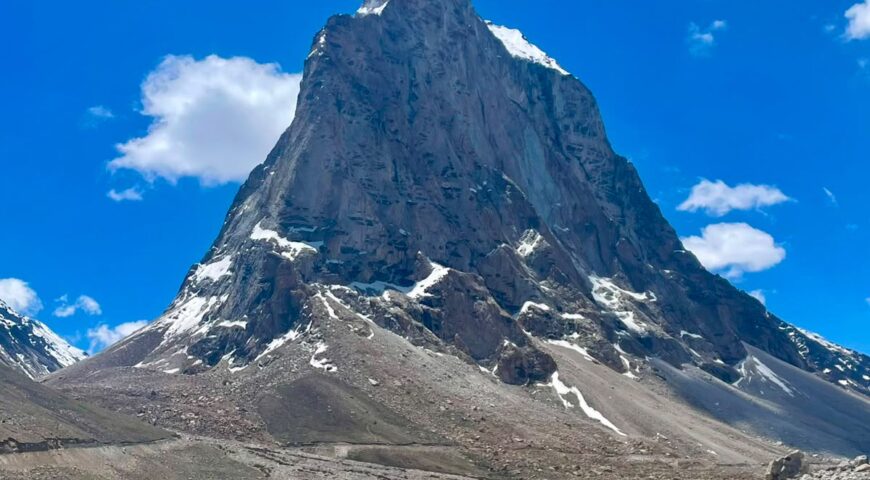
Zanskar Is Not Just Another Place in Ladakh
Zanskar Is Not Just Another Place in Ladakh
There are places you visit.
And then there are places you have to earn your way into.
Zanskar belongs to the second category.
The road narrows. The mountains become bigger. Villages become farther apart. Mobile connectivity becomes something you stop thinking about. A journey that looked simple on the map begins taking much longer than expected.
And somewhere between the high passes, glacial rivers, remote villages and centuries-old monasteries, the purpose of the journey changes.
You stop asking, “How many places can I cover?”
You start asking, “How long can I stay here?”
That is Zanskar.
Located in the Union Territory of Ladakh and historically part of Kargil district, Zanskar has long been one of the more isolated Himalayan regions. In 2026, Zanskar also entered a new administrative chapter as a separate district, while major road and infrastructure projects continue to change how travellers reach the valley.
But despite better connectivity than before, Zanskar has not suddenly become an easy destination.
That is exactly why it remains special.
This Zanskar Valley travel guide is for travellers who want to understand the valley before going—not just collect a list of places to photograph.
Why You Can Trust This Guide
This travel guide is written and fact-checked by Magna Voyagee using current Ladakh administration updates, official tourism information and destination research. It is designed for travellers planning a real Zanskar journey—not just browsing a list of attractions.
Planning a Zanskar Trip? Here’s What You Need to Know
- Destination: Zanskar Valley, Ladakh
- Best Time: June to September
- Trip Duration: 7–10 Days
- Starting Points: Leh, Kargil or Manali
- Highest Pass: Shinku La (around 5,000 m)
- Best For: Adventure, photography, monasteries and slow travel
Zanskar Valley at a Glance
| Travel Fact | Zanskar |
|---|---|
| Location | Ladakh, India |
| Administrative region | Zanskar District, Ladakh |
| Main town | Padum |
| Main summer approaches | Kargil–Suru–Pensi La and Darcha–Shinku La |
| Approx. elevation of Padum | 3,650 m |
| Pensi La | Around 4,400 m |
| Shinku La | Around 5,000 m |
| Best road-trip season | Generally June to September |
| Ideal trip duration | 7–10 days |
| Travel style | Road trip, monasteries, landscapes, villages, adventure and slow travel |
| Connectivity | Patchy and unreliable in remote areas |
| Best suited for | Travellers comfortable with long drives, basic infrastructure and changing road conditions |
Important: Road openings, closures, weather conditions and access to individual places can change during the season. Always check current local conditions before departure.
Why Zanskar Feels Different From Ladakh
A first trip to Ladakh often follows a familiar rhythm.
Leh. Monasteries. Nubra. Pangong. High passes. Back to Leh.
Zanskar asks for a different kind of trip.
There is no single spectacular attraction that explains the valley. Instead, it is the accumulation of small moments.
A green patch of farmland appearing unexpectedly between enormous mountains. A monastery clinging to a cliff. A road disappearing around a mountain and reappearing beside a turquoise river. A village where life still moves according to the seasons rather than your itinerary. A night where the sky feels much larger because there are very few artificial lights around you.
And long stretches where there is simply… nothing.
That “nothing” is actually one of Zanskar’s greatest attractions.
If you’re exploring India’s high-altitude Himalayas, Zanskar and Spiti Valley offer two completely different experiences. While Spiti is known for dramatic desert mountains and village homestays, Zanskar feels quieter, more remote, and even less explored. Read our complete Spiti Valley Travel Guide if you’re comparing the two journeys.
How Do You Reach Zanskar Valley?
There are two major road approaches travellers should know about.
1. Kargil → Suru Valley → Pensi La → Padum
This is the established northern/western approach into Zanskar.
From Kargil, the road enters the spectacular Suru Valley before continuing towards Rangdum and Pensi La.
The landscape gradually changes. Green agricultural settlements give way to increasingly dramatic mountain terrain. The road climbs towards Pensi La, one of the defining crossings on the Kargil–Zanskar route.
The District Kargil administration places Pensi La at approximately 4,400 metres and identifies it as the highest point on the Kargil–Zanskar road.
Beyond the pass comes the landscape many travellers have been waiting for: Drang-Drung Glacier.
Then the road continues towards the Zanskar Valley and eventually Padum.
Why choose this route? Choose Kargil if you want:
- Suru Valley
- Rangdum
- Pensi La
- Drang-Drung Glacier
- A more traditional Zanskar approach
- A route that works naturally with a Kashmir–Kargil–Zanskar itinerary
Kargil is also a practical staging point before entering deeper Zanskar.
2. Darcha → Shinku La → Padum
This is the route that has changed the Zanskar travel story considerably.
From Manali, travellers approach through Himachal Pradesh towards Darcha. From Darcha, the road crosses Shinku La and enters Zanskar.
The route forms part of the larger Nimmu–Padum–Darcha road project and provides a direct connection between the Lahaul side and Zanskar.
But there is an important distinction: a road being connected does not mean it has become an all-weather highway.
Shinku La remains a high-altitude crossing, and the route is still seasonal and subject to snow, weather, construction and local traffic advisories.
The planned Shinku La tunnel is intended to improve all-weather connectivity in the future. Until then, travellers should treat the Darcha–Padum route as an adventure road rather than a conventional highway.
Why choose Shinku La? Choose this route if you want:
- A Manali–Zanskar road journey
- Shinku La
- Lahaul landscapes
- A more adventurous entry into Zanskar
- A one-way journey combining Himachal and Ladakh
For a first-time traveller, this route should be planned with a vehicle and driver experienced in high-altitude Himalayan conditions.
Pensi La: Where the Journey Begins to Feel Like Zanskar
Pensi La is more than a high pass you cross and forget.
It marks a psychological transition.
Before it, you are travelling towards Zanskar. After it, you begin to feel that you are actually inside it.
At around 4,400 metres, Pensi La is surrounded by stark high-altitude landscapes and small lakes. The area also provides access to views of the Drang-Drung Glacier.
Weather can change rapidly here. Clouds can arrive unexpectedly. Snow can remain even when lower valleys feel like summer. And the temperature difference between sunlight and shade can be significant.
Do not plan Pensi La as a quick “photo stop”. Give yourself time.
Drang-Drung Glacier: One of Zanskar’s Great Roadside Landscapes
One of the beautiful things about the Kargil route is that Zanskar does not always make you trek for its biggest landscapes. Sometimes the mountains simply reveal themselves beside the road.
Drang-Drung is one of those moments.
The glacier sits below the Pensi La region, surrounded by an immense high-altitude landscape.
It is easy to photograph. It is harder to capture what it actually feels like to stand there.
The scale is deceptive. The glacier looks close. The mountains look close. But everything is much larger than the photograph suggests.
Take the time to step away from the vehicle, breathe slowly and actually look. That is often the better souvenir.
Padum: The Heart of Zanskar
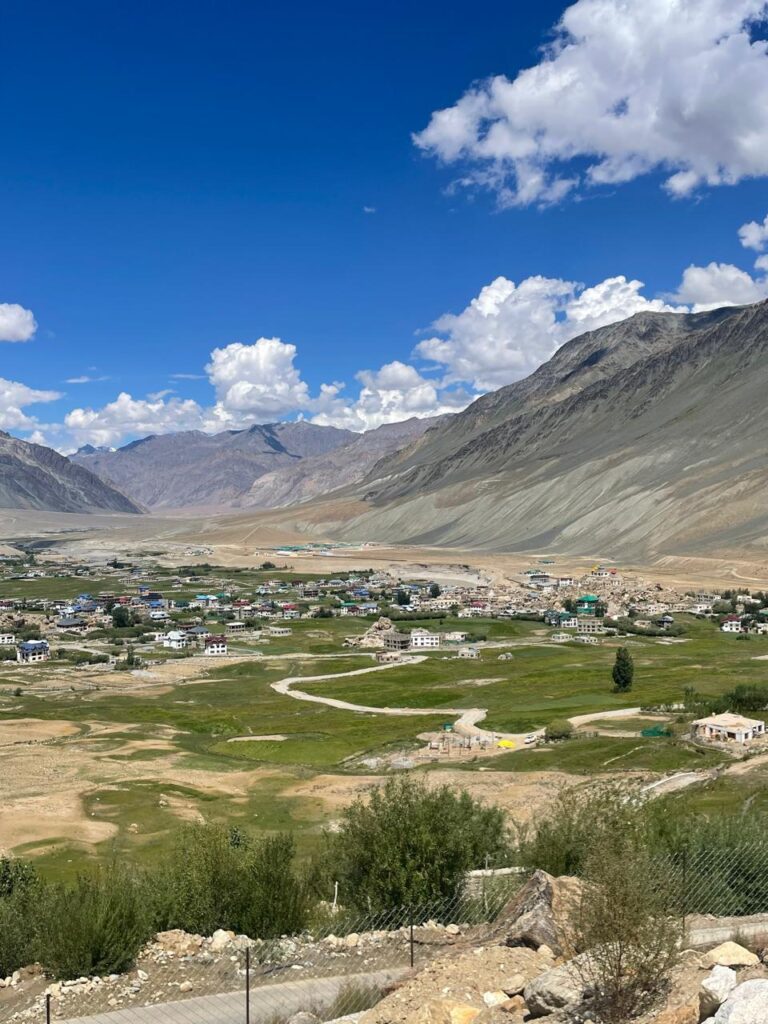
Eventually, the landscape begins to open. You see fields. Poplar trees. Houses. Monasteries. And then you reach Padum.
At approximately 3,650 metres, Padum is the administrative and practical centre of Zanskar. It is where many travellers base themselves while exploring the surrounding valley.
Padum is not a conventional Himalayan resort town. Do not arrive expecting a polished tourist destination with endless cafés and predictable services.
Its appeal is precisely the opposite. It feels functional. Local. Unhurried. And surrounded by landscapes that make the town itself seem small.
Padum is also the starting point for several treks and excursions deeper into Zanskar. The town has been developing rapidly, but travellers should still plan with the understanding that services are more limited than in Leh or Manali.
The Zanskar Experiences You Should Not Miss
1. Gonbo Rangjon
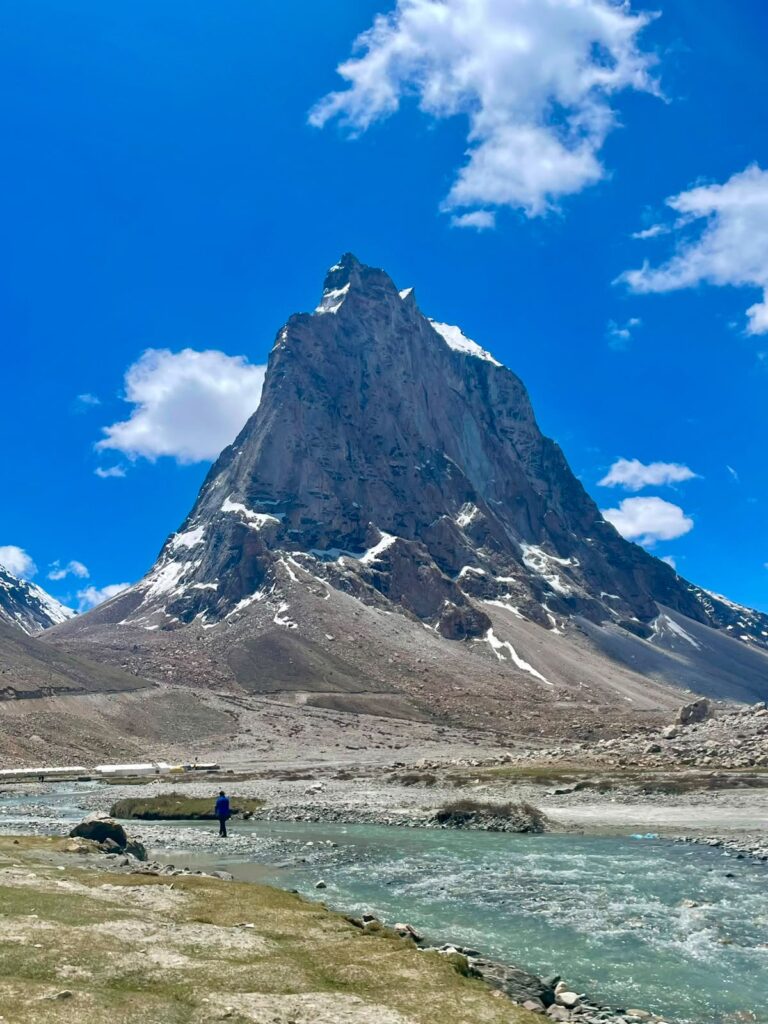
There are mountains you admire. And then there are mountains that seem to have a personality.
Gonbo Rangjon belongs in the second category.
The distinctive mountain rises dramatically from the surrounding landscape and has deep spiritual significance in the region.
The area around it has also become increasingly accessible to travellers, with tourism facilities being developed.
But the best way to experience Gonbo Rangjon is not to rush in, photograph it and leave.
Stay long enough to watch the light change. Early morning can make the landscape feel almost monochromatic. Late afternoon brings shadows across the surrounding valley. And when the sky clears after sunset, the mountain becomes part of a much larger Himalayan nightscape.
2. Phugtal Monastery
If there is one place that explains why people fall in love with Zanskar, it may be Phugtal. Or Phuktal, as it is also written.
The monastery appears to grow out of the cliff.
It is located in the remote Lungnak valley and is reached by a trek rather than simply driving up to a parking area.
That matters. Because the approach is part of the experience.
You walk through a landscape where the road disappears. The valley narrows. The river moves below. And then, almost unexpectedly, the monastery appears on the cliffside.
The District Kargil tourism administration describes Phugtal as one of Zanskar’s remarkable cave monasteries and traces its foundation to Phagspa Sherab Zangpo in the latter half of the 11th century.
The monastery has endured for centuries, but its setting remains its most unforgettable feature.
How difficult is Phugtal?
This is not a casual sightseeing stop. The approach involves walking at altitude and conditions can change. Your actual walking time will depend on the route, weather, trail condition and your fitness.
Do not schedule Phugtal as something you will “quickly finish” between two long drives. Stay flexible.
And remember that the monastery is a living religious institution—not a tourist attraction created for visitors. Dress respectfully. Keep your voice low. Ask before photographing people or religious interiors. And do not leave waste behind.
3. Karsha Monastery
If Phugtal is dramatic because of its location, Karsha is impressive because of its scale.
The whitewashed monastery complex rises above the valley and is one of the most important monastic centres in Zanskar.
The District Kargil administration describes Karsha as the largest monastic establishment in Zanskar.
From the surrounding landscape, the monastery appears almost inseparable from the mountains.
Visit early if you want softer light and fewer visitors.
More importantly, slow down. The temptation in Zanskar is to treat monasteries as photographic checkpoints. Instead, spend some time understanding the atmosphere. The prayer halls, murals, statues, courtyards and surrounding villages are part of a living cultural landscape.
4. Stongde Monastery
High above the surrounding village, Stongde offers a different perspective on Zanskar.
It is associated with Marpa Lotsawa and occupies an elevated position overlooking the valley.
The climb and viewpoint make it particularly rewarding for photographers.
But again, the photograph is only one part of the experience. Look down. The villages below reveal how Zanskar communities have adapted agriculture and settlement to an environment that looks, at first glance, almost impossible to inhabit.
5. Sani Monastery
Sani is one of the places that can easily disappear from a rushed itinerary. It should not.
Located near Padum, Sani Monastery is distinctive because of its relatively low-lying setting compared with many Himalayan monasteries.
Local tradition associates the monastery’s origins with the ancient Kushan ruler Kanishka, although historical traditions surrounding its early history vary. The complex includes the famous Kanishka stupa associated with that tradition.
Sani is also known for its annual festival. If your dates coincide with a major monastic festival, the experience can be very different from an ordinary sightseeing visit.
6. Zangla and the Villages Beyond Padum
Zanskar becomes more interesting the further you move away from the obvious checklist. Zangla is a good example.
Historically important and surrounded by dramatic landscapes, the area gives travellers a better sense of how people actually live in the valley.
Look beyond monuments. Notice the irrigation channels. The fields. The poplar trees. The traditional houses. The prayer flags. The movement of people between villages.
These details tell you more about Zanskar than another viewpoint ever could.
7. Rangdum
If you enter through Kargil, Rangdum deserves more attention than a simple overnight stop.
It sits within a dramatic landscape surrounded by mountains and high-altitude terrain. The Rangdum area and monastery form an important part of the transition between Suru and Zanskar.
The journey itself is the attraction. Roads here are not simply a means of getting from A to B. They are part of the destination.
8. The Zanskar Night Sky
One of the most underrated experiences in Zanskar is what happens after dinner.
There are fewer artificial lights. Fewer vehicles. Fewer distractions. And when the sky is clear, the stars become impossible to ignore.
The Ladakh Tourism Department and Indian Institute of Astrophysics even brought an Astro Festival event to Padum in 2026, highlighting the region’s potential for astronomical experiences.
You do not need expensive equipment. Step outside. Turn off your phone. Wait for your eyes to adjust. And look up.
Sometimes travel is about seeing something. Sometimes it is about remembering how much we stopped looking.
What Most Travellers Get Wrong About Zanskar
1. They try to cover too much
Zanskar looks small on Google Maps. It is not small on the ground. Mountain roads, altitude, road conditions, stops and weather can dramatically change driving times. Build buffers.
2. They treat Zanskar like a Ladakh extension
Zanskar deserves its own journey. Trying to squeeze it between Nubra and Pangong usually creates a rushed experience. If Zanskar is important to you, give it enough days.
3. They underestimate altitude
Padum itself is around 3,650 metres. The routes to reach it can cross much higher passes. Do not assume that because you have already visited Leh, your body will automatically be comfortable everywhere in Zanskar.
Acclimatise properly. Hydrate. Avoid unnecessary exertion during the first days. And take symptoms of altitude illness seriously.
4. They assume the road will behave like a normal highway
It will not. A route may be open but still have rough sections. Construction. Water crossings. Snow. Mud. Traffic restrictions. Or weather-related delays.
This is particularly important on the Darcha–Shinku La–Padum route.
5. They rely completely on digital payments
Do not. Carry sufficient cash. Remote areas may have limited banking infrastructure, and connectivity can be unreliable. Your phone may work perfectly in one place and not at all a short distance later.
6. They expect luxury everywhere
Zanskar is developing. But it is not Leh. Accommodation options are more limited and standards vary. That is part of the experience. But it also means you should choose your accommodation expectations carefully.
7. They treat monasteries like photo studios
A monastery is not a backdrop. It is someone’s place of worship. Ask before taking photographs inside prayer halls. Do not disturb ceremonies. Dress appropriately. And respect signs and local instructions.
Traveller’s Note from Magna Voyagee
Zanskar is one of those destinations where the journey matters as much as the destination itself. Keep an extra day in your itinerary—not to see another place, but to let the mountains decide your pace. Weather, roads and unexpected stops often become the best memories of the trip.
Best Time to Visit Zanskar Valley
June
June marks the beginning of the main summer road season, although exact accessibility depends on snow clearance and conditions. The landscape can still carry winter’s traces. Higher passes may have snow. For adventurous travellers, June can be spectacular—but flexibility is essential.
July
July is one of the better months for a road trip through Zanskar. Road access is generally more established than at the start of summer, and the valleys begin showing stronger contrasts between green agricultural areas and barren mountains.
August
August is another strong month for Zanskar. It is a popular period, so accommodation and vehicles should be planned in advance. Rain can affect approaches from Himachal and road conditions can still change quickly.
September
September can be one of the most rewarding periods for travellers who prefer cooler weather and a quieter atmosphere. The landscape begins transitioning towards autumn. But late-season weather can become unpredictable, particularly at high passes.
October and Beyond
Do not assume that because a calendar says October, every road will remain accessible. Winter arrives early in high-altitude Ladakh. The main road season gradually closes as snow returns.
Winter Zanskar is a completely different experience, most famously associated with the frozen Zanskar River and the Chadar Trek. That is not the same trip as a summer Zanskar road journey.
How Many Days Do You Need for Zanskar?
5–6 days. Possible, but rushed. Suitable only if Zanskar is one component of a much larger road journey and you are selective about what you see.
7–8 days. A much better minimum for a focused Zanskar journey. You have enough time for the major landscapes, monasteries and some flexibility.
9–10+ days. Our preferred approach. This allows you to slow down. Add villages. Include Phugtal. Build weather buffers. And experience Zanskar rather than simply crossing it off your list.
Recommended Zanskar Itinerary
Option A: Kargil → Zanskar → Kargil
Day 1 — Kargil. Arrive in Kargil and rest. Use the day to prepare for the high-altitude road journey ahead.
Day 2 — Kargil → Suru Valley → Rangdum. Drive through Suru Valley towards Rangdum. Expect spectacular mountain landscapes and long road sections.
Day 3 — Rangdum → Pensi La → Drang-Drung → Padum. Cross Pensi La and continue towards Padum. Stop for the glacier views and allow plenty of time for the road.
Day 4 — Padum → Karsha → Stongde → Padum. Explore some of Zanskar’s most important monasteries. Keep the day flexible.
Day 5 — Padum → Phugtal region. Begin the journey towards Phugtal. This should be treated as a dedicated experience rather than something squeezed into a busy sightseeing day.
Day 6 — Phugtal → Padum. Return towards Padum. Rest and keep the evening slow.
Day 7 — Padum → Zangla / Sani → Padum. Explore villages, monasteries and the landscapes around central Zanskar.
Day 8 — Padum → Rangdum. Begin the return journey.
Day 9 — Rangdum → Suru Valley → Kargil. Complete the journey back towards Kargil.
Why we like this itinerary: It does not force two completely different access routes into one rushed loop.
Option B: Manali → Darcha → Shinku La → Zanskar
For travellers who want to combine Himachal and Zanskar, the southern approach creates a completely different story.
Day 1 — Manali → Lahaul. Drive towards the Darcha side and overnight according to current road and accommodation conditions.
Day 2 — Darcha → Shinku La → Zanskar. Cross Shinku La subject to road conditions and local advisories.
Day 3 — Zanskar → Padum. Continue towards Padum.
Day 4–6 — Explore Padum and surrounding Zanskar. Karsha. Stongde. Sani. Zangla. Local villages.
Day 7 — Phugtal excursion. Keep this day dedicated to the monastery and trek.
Day 8 — Padum onward. Continue according to your onward route.
For this itinerary, road status must be checked immediately before departure. Do not build a fixed itinerary around an assumption that Shinku La will always be open.
Zanskar Budget: How Much Does the Trip Cost?
Zanskar is not necessarily a cheap destination simply because it has fewer luxury hotels.
The biggest costs are often transport, driver days, fuel, accommodation and the logistics of operating in a remote region.
A realistic budget depends heavily on:
- Number of travellers
- Vehicle type
- Route
- Number of days
- Accommodation category
- Season
- Whether you enter and exit by different routes
- Whether Phugtal or other treks are included
Budget traveller. Basic stays, shared transport where available and simple meals can reduce costs, but flexibility will also be lower.
Comfortable private trip. For couples and families, a private vehicle with an experienced driver is usually the more practical choice.
Premium Zanskar journey. A premium trip should not be defined by pretending Zanskar has five-star infrastructure. Instead, premium travel here means:
- Better vehicle
- Experienced Himalayan driver
- Carefully selected stays
- Flexible routing
- Proper acclimatisation
- More time in fewer places
- Strong local coordination
- Backup planning
That is what makes remote travel genuinely comfortable.
Where to Stay in Zanskar
Padum offers the widest choice of accommodation in the valley. Outside Padum, options become more limited. You may find:
- Guesthouses
- Homestays
- Small hotels
- Tourist accommodation
- Camps in selected locations
Standards vary significantly. Do not judge a Zanskar stay by the same criteria you would use for a hotel in Leh.
Instead ask:
- Is hot water available?
- Is heating available?
- Is power reliable?
- Is food available on site?
- Are blankets provided?
- Is the property currently operating?
- How far is it from your next day’s route?
And most importantly: confirm the stay before travelling. Remote accommodation inventory changes.
Food in Zanskar
Food is generally simple and practical. Expect combinations of:
- Rice
- Dal
- Vegetables
- Noodles
- Momos
- Thukpa
- Local breads
- Tea
In villages and homestays, you may also encounter traditional local preparations.
Do not expect a large restaurant menu everywhere. Carry a few personal snacks for long drives. But avoid turning Zanskar into a packaged-food destination.
If a local meal is available, try it. Some of the best travel memories come from eating something simple in a place where the landscape outside the window is extraordinary.
Mobile Network and Internet in Zanskar
This is one area where travel articles often make overly confident claims.
Network availability in Zanskar can vary by location, route, provider and current infrastructure. Remote valleys and trekking areas may have little or no connectivity. Even where a signal exists, it may not be dependable.
So the safest strategy is simple: plan as though you may be offline. Download:
- Offline maps
- Hotel details
- Driver contact
- Permits and documents
- Emergency contacts
- Important bookings
Do not depend on mobile data for navigation. And do not assume that the network you use in Leh will behave the same way in Zanskar.
ATMs, Cash and Fuel
Padum has more services than the remote villages, but Zanskar is still not a destination where you should travel financially unprepared. Carry enough cash for your planned journey.
Fuel planning also matters. Do not assume that a fuel station will always be available exactly when you need it. Your driver or local operator should plan fuel around the actual route and current conditions.
For remote road journeys, this is not overplanning. It is common sense.
What Should You Pack for Zanskar?
Clothing
- Thermal inner layers
- Fleece
- Down jacket
- Windproof outer layer
- Comfortable trekking trousers
- Warm socks
- Gloves
- Woollen cap
- Sunglasses
- Sun hat
Footwear
- Comfortable walking shoes
- Trekking shoes if visiting Phugtal or undertaking longer walks
- Extra socks
Health
- Personal medication
- Basic first-aid kit
- Sunscreen
- Lip balm
- Reusable water bottle
Technology
- Power bank
- Offline maps
- Charging cables
- Extra storage for photographs
Documents
- Government ID
- Travel insurance documents
- Hotel confirmations
- Transport details
- Any required permits or permissions
One thing most people forget: cash. Do not make Zanskar your experiment in completely cashless travel.
Photography in Zanskar: Don’t Photograph Everything
Zanskar is almost unfairly photogenic. But that creates another problem. You can spend the entire trip looking through a phone screen.
Don’t.
Photograph:
- Pensi La
- Drang-Drung Glacier
- Gonbo Rangjon
- Padum
- Karsha
- Stongde
- Zangla
- Village landscapes
- Monastery details
- Local agricultural fields
- Roads disappearing into mountains
- Night skies
But also photograph less. Watch more.
Some of the best moments in Zanskar happen between the famous viewpoints. A shepherd crossing a road. A village appearing after an empty valley. A monastery bell. The evening light on a mountain.
Those are the photographs that eventually become memories.
Responsible Travel in Zanskar
Zanskar is developing rapidly. That makes responsible travel more important—not less.
Respect monasteries. Follow local instructions. Ask before photography. Do not enter restricted areas.
Avoid single-use plastic. Carry a reusable bottle and bring your waste back with you where disposal systems are limited.
Support local businesses. Choose local guides, drivers, homestays and restaurants where practical. Your money can contribute directly to the communities you are travelling through.
Don’t treat locals as props. Ask before photographing people. A portrait should be a human interaction, not something you simply take.
Respect water. High-altitude communities have limited resources. Do not waste water because your hotel has a tap.
Travel slowly. Remote destinations cannot absorb unlimited tourism at unlimited speed. The best way to experience Zanskar is also one of the most responsible: stay longer, rush less.
Zanskar vs Ladakh: Which One Should You Choose?
| If you want… | Choose |
|---|---|
| Your first introduction to high-altitude Ladakh | Ladakh |
| More established tourism infrastructure | Ladakh |
| Monasteries and dramatic landscapes | Both |
| A more remote road journey | Zanskar |
| Long drives and adventure | Zanskar |
| Fewer crowds | Zanskar |
| Luxury hotel choices | Ladakh |
| Villages and slow travel | Zanskar |
| A serious road-trip experience | Zanskar |
| A combination of Himachal + Ladakh | Zanskar via Shinku La |
| The Chadar winter experience | Zanskar |
The important thing is not that Zanskar is “better” than Ladakh. It is different.
Ladakh can be spectacular. Zanskar can feel personal.
Who Should Visit Zanskar?
Zanskar is perfect for you if:
- You enjoy long road journeys
- You like remote destinations
- You enjoy photography
- You are interested in Buddhist culture
- You don’t need constant connectivity
- You enjoy mountains more than shopping
- You can handle basic accommodation
- You prefer slow travel
- You want a destination that still feels relatively unexplored
Zanskar may not be ideal if:
- You want luxury hotels every night
- You dislike long drives
- You need reliable mobile connectivity
- You prefer tightly scheduled sightseeing
- You are uncomfortable with unpredictable road conditions
- You want a short weekend-style Himalayan holiday
People Also Ask About Zanskar Valley
Is Zanskar better than Leh-Ladakh for a first trip?
If it’s your first visit to Ladakh, start with the classic Leh circuit. Zanskar is a better second trip for travellers looking for quieter landscapes, remote villages and a slower Himalayan experience.
Can you drive from Manali to Padum in one day?
It is possible during the summer season, but road conditions, weather and altitude make it a long and demanding drive. Most travellers should start early and keep buffer time.
Does Zanskar have snow in summer?
Yes. High passes like Shinku La and Pensi La can retain snow patches during early summer even when Padum has pleasant daytime weather.
Is Zanskar suitable for solo travellers?
Yes, provided you prepare well for altitude, connectivity and transport logistics. Joining a planned road trip or travelling with experienced local operators is often the easier option.
Frequently Asked Questions About Zanskar Valley
Is Zanskar worth visiting?
Absolutely—especially if you enjoy remote Himalayan landscapes, road journeys, monasteries and slow travel. The attraction is not one monument. It is the combination of landscape, culture, isolation and the journey itself.
What is the best time to visit Zanskar?
For a road trip, the main summer season is generally June to September, with exact accessibility depending on snow, weather and road conditions. July and August are commonly preferred for road access, while September can offer a quieter experience.
How do I reach Zanskar?
The two main road approaches are through Kargil and Pensi La, or from the Darcha side via Shinku La. Road conditions and seasonal access can change, so confirm the current situation before travelling.
Can I visit Zanskar from Manali?
Yes. The Darcha–Shinku La–Padum connection provides a direct route between the Lahaul side of Himachal Pradesh and Zanskar. However, the route remains seasonal and conditions can change.
Can I visit Zanskar from Leh?
Yes. The Nimmu–Padum–Darcha road provides connectivity from the Leh/Nimmu side into Zanskar, while the traditional Kargil approach connects the valley through the Suru Valley. Your exact route should be planned around the road conditions at the time of travel.
How many days are enough for Zanskar?
Seven to ten days is a comfortable range for a dedicated Zanskar journey. Five to six days is possible but requires a more aggressive itinerary.
Is Zanskar suitable for families?
It depends on the family. Families comfortable with long drives, altitude and basic accommodation can have an incredible experience. Families travelling with very young children or travellers with altitude-related concerns should plan more conservatively.
Is Phugtal Monastery difficult to reach?
Phugtal requires a trek/walk rather than simple vehicle access. The trail, altitude and weather mean it should be treated as a dedicated excursion.
Is there mobile network in Zanskar?
Connectivity is variable. Remote areas can have little or no signal, so travellers should prepare to be offline for stretches of the journey.
Can I use UPI everywhere in Zanskar?
Do not depend on it. Carry sufficient cash because connectivity and digital payment availability can vary.
Is Zanskar expensive?
The cost depends mainly on vehicle, number of days, accommodation and route. Because the region is remote, transport can represent a significant part of the total cost.
Is Zanskar safe?
Zanskar can be travelled safely with proper planning, but high-altitude roads, weather and remoteness require respect. Use experienced drivers, monitor weather and road advisories, build buffer days and avoid taking unnecessary risks.
The Zanskar Journey Most Travellers Are Still Missing
Maybe the most interesting thing about Zanskar is not how remote it is.
It is how quickly that remoteness changes you.
At first, you notice the road. Then the mountains. Then the monasteries. Then the lack of signal.
Eventually, you stop noticing the things you thought would bother you.
You stop checking your phone. You stop counting kilometres. You stop worrying about whether the next viewpoint will be better than the last one.
You simply sit there. A river below. A mountain above. A village somewhere in the distance.
And suddenly, the journey feels like enough.
That is what makes Zanskar different.
It isn’t trying to compete with Ladakh’s famous places. It doesn’t need to.
It offers something much harder to find now: space.
Space to travel slowly. Space to disconnect. Space to notice. Space to create memories that don’t need a location tag.
And perhaps that is why Zanskar is still one of the most compelling Himalayan journeys for travellers who have already seen the obvious side of Ladakh.
You don’t just go to Zanskar. You travel into it.
Plan Your Zanskar Journey With Magna Voyagee
At Magna Voyagee, we believe remote travel should feel adventurous without feeling unnecessarily complicated.
Our Zanskar journeys can be designed around your preferred route, travel style and pace—from classic Kargil–Suru–Pensi La journeys to Himachal–Shinku La crossings and longer Ladakh combinations.
Whether you are travelling as a couple, family, private group or photography-focused expedition, we can build the journey around the experiences that matter to you.
Because the best journeys are not the ones where you see the most. They are the ones you remember the longest.
Continue Your Himalayan Journey
Looking for more Himalayan travel inspiration? Explore our Spiti Valley Travel Guide, Ladakh Travel Stories, and traveller experiences in the Magna Voyagee Travel Journal for more road trips, hidden villages and unforgettable mountain journeys.