
Kedarnath & Badrinath
from✓ 5,000+ happy travelers
✓ No advance payment required to enquire — you’ll only pay directly to us once your itinerary is confirmed.
How many days are enough for a Kedarnath-Badrinath trip?
5 Nights / 6 Days works well for covering both revered Char Dham shrines without rushing.This gives you travel and acclimatisation time to Guptkashi, a trek/pony ride to Kedarnath and back, the road journey on to Badrinath via Joshimath, and a return leg back through Rudraprayag to Rishikesh and Haridwar.
What is the best time to visit Kedarnath and Badrinath?
May to June and September to October are the best windows, within the temples’ limited opening season.Both temples open only for a few months each year, typically from around late April/early May to early November, closing for winter as the region becomes snowbound. May-June (before the monsoon) and September-October (after the monsoon) offer the clearest weather and safest travel conditions, while July-August monsoon rains can trigger landslides and road closures along the route.
Quick Trip Facts
- Duration: 5 Nights / 6 Days
- Starting Price: Rs. 31,400 per person
- Destinations Covered: Guptkashi, Kedarnath, Badrinath, Joshimath, Rudraprayag
- Best Time to Visit: May-June and September-October, within the temples’ seasonal opening window (roughly late April/May to early November)
- Ideal For: Pilgrims, Char Dham yatra travellers, spiritually inclined trekkers
Cost Includes:
- Accommodation for 5 nights
- Rooms on double sharing basis
- MAP Plan (Breakfast & Dinner)
- Vehicle – Innova Non-AC (6 days)
- Toll, tax, permit, driver allowance
- Ex-Haridwar to Haridwar, vehicle on point-to-point basis
Best Time to Visit Kedarnath & Badrinath
Both temples follow a fixed seasonal calendar, typically opening around late April or early May (the exact date is set annually based on the Hindu calendar) and closing in early November as winter snow makes the region inaccessible. Within this window, May and June offer clear pre-monsoon weather, though this is also the busiest pilgrimage period, so early booking and an early start each day help avoid the largest crowds.
The July-August monsoon brings a real risk of landslides and road closures along the Himalayan routes to both shrines, and is generally not recommended for this trip. September and October, after the monsoon eases, offer a quieter alternative with good weather and thinner crowds, making it a strong choice for travellers who can be flexible on timing.
Who This Trip Is For
Pilgrims & Char Dham TravellersKedarnath and Badrinath are two of the four sacred Char Dham shrines, making this a core pilgrimage circuit for devout travellers.
Spiritually Inclined TrekkersThe Kedarnath leg involves a trek or pony/palanquin ride through Himalayan terrain, appealing to travellers who want scenery alongside spiritual significance.
Multi-Generational Family GroupsWith pony, palanquin, and helicopter options available for the Kedarnath approach, this trip can be adapted for travellers with varying fitness levels.
First-Time Himalayan PilgrimsA well-structured 6-day itinerary makes this an approachable introduction to high-altitude Himalayan pilgrimage travel.
What Most Travellers Get Wrong About This Kedarnath Badrinath Tour Package
Assuming the temples are open year-round is a common and important mistake – both close for winter, typically from early November to late April/early May, so it’s essential to confirm the current season’s opening and closing dates before booking.Underestimating the Kedarnath trek is another frequent issue – the walk from Gaurikund covers a steep Himalayan trail at altitude, and travellers who are not used to trekking should consider a pony, palanquin, or helicopter option rather than assuming the walk will be easy.
Some travellers also don’t plan for sudden weather changes – temperatures can drop sharply at Kedarnath and Badrinath even in the “warm” months, so packing layers and rain protection regardless of season is important.
Finally, mobile network can be very limited or unavailable at Kedarnath itself, so it’s worth informing family in advance and not relying on constant connectivity during that leg of the trip.
Explore More With Magna Voyagee
- Rishikesh & Haridwar to combine this yatra with two more of Uttarakhand’s holiest towns
- Kashi Darshan for another major spiritual circuit centred on Varanasi
- Explore Uttarakhand for a broader tour of the state’s hill stations and valleys
- Kinnaur & Spiti for a high-altitude Himalayan adventure further west
- Leh-Ladakh Group Tour for dramatic trans-Himalayan landscapes and monasteries
- Nepal for more Himalayan temples, mountains, and spiritual sites just across the border
- Shimla, Kullu & Manali for classic North Indian hill-station scenery
- Kasol, Malana & Tosh for a laid-back Himachal hill-station experience
Travel Essentials
- Nearest Airport: Jolly Grant Airport, Dehradun (DED); helicopter services also connect to Kedarnath from nearby helipads in season
- Nearest Railway: Rishikesh Railway Station is the closest major railhead for onward road travel
- Permit Required: No special permit needed for Indian nationals; carry a valid photo ID, as biometric registration is required at Kedarnath
- Network Availability: Limited to unavailable at Kedarnath; generally available in Guptkashi, Joshimath, and Badrinath town areas
- Difficulty Level: Moderate to challenging – the Kedarnath approach involves a steep trek or pony/palanquin ride at altitude
- What to Pack: Warm layered clothing, rain gear, comfortable trekking shoes, a walking stick, and any personal medication, given the altitude and unpredictable mountain weather
- Heavy-duty trekking shoes with ankle support for the Kedarnath trail
- Warm layers - temperatures drop sharply at altitude even in the May-Oct window
- Trekking poles, especially for the descent
- Basic altitude-sickness medication (Diamox, consult your doctor) and a first-aid kit
-
Reviews 0 Reviews0/5
-
Vacation Style Holiday TypeCulture, Trekking
-
Activity Level Moderate
-
Group Size Small Group
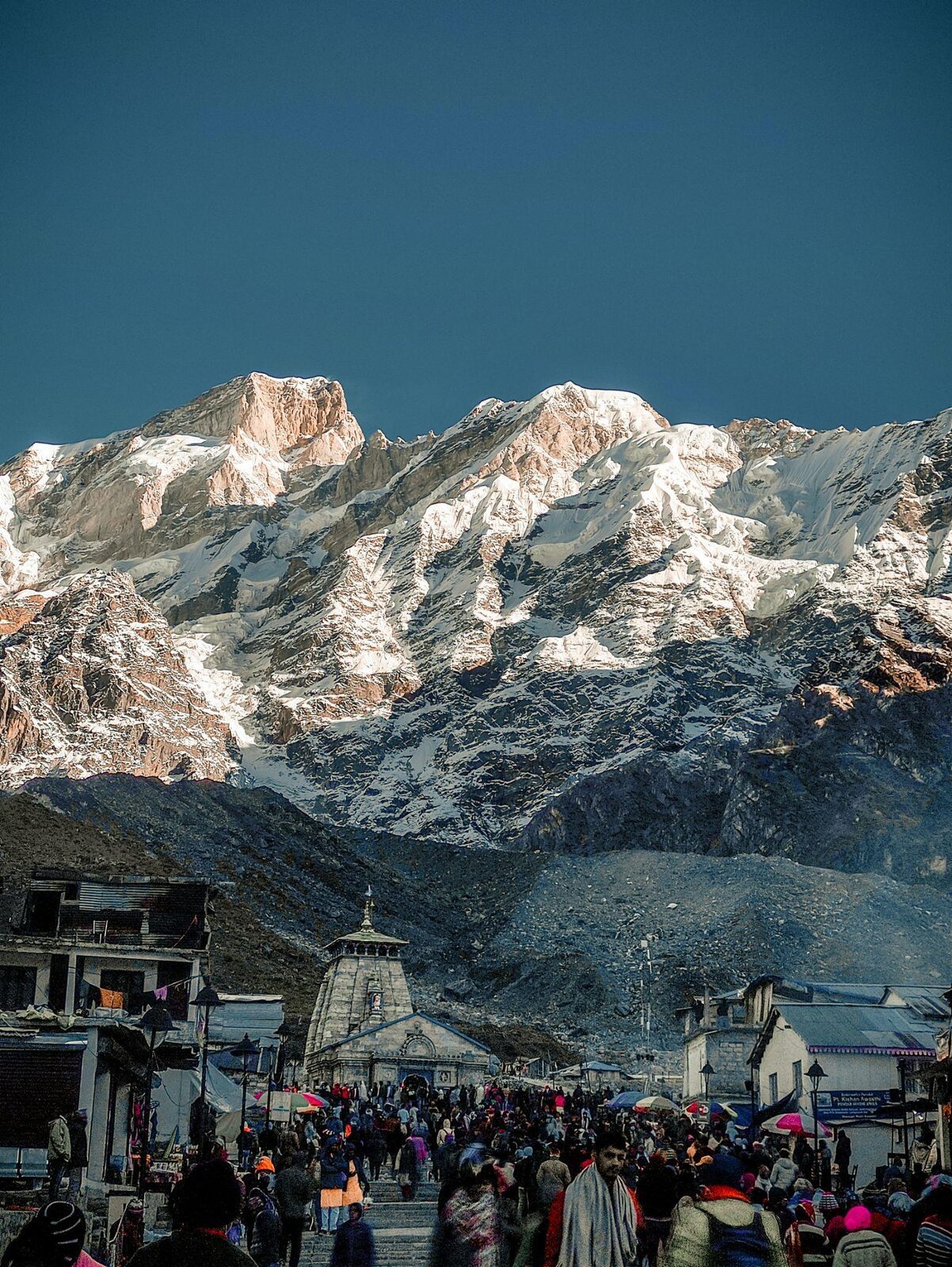
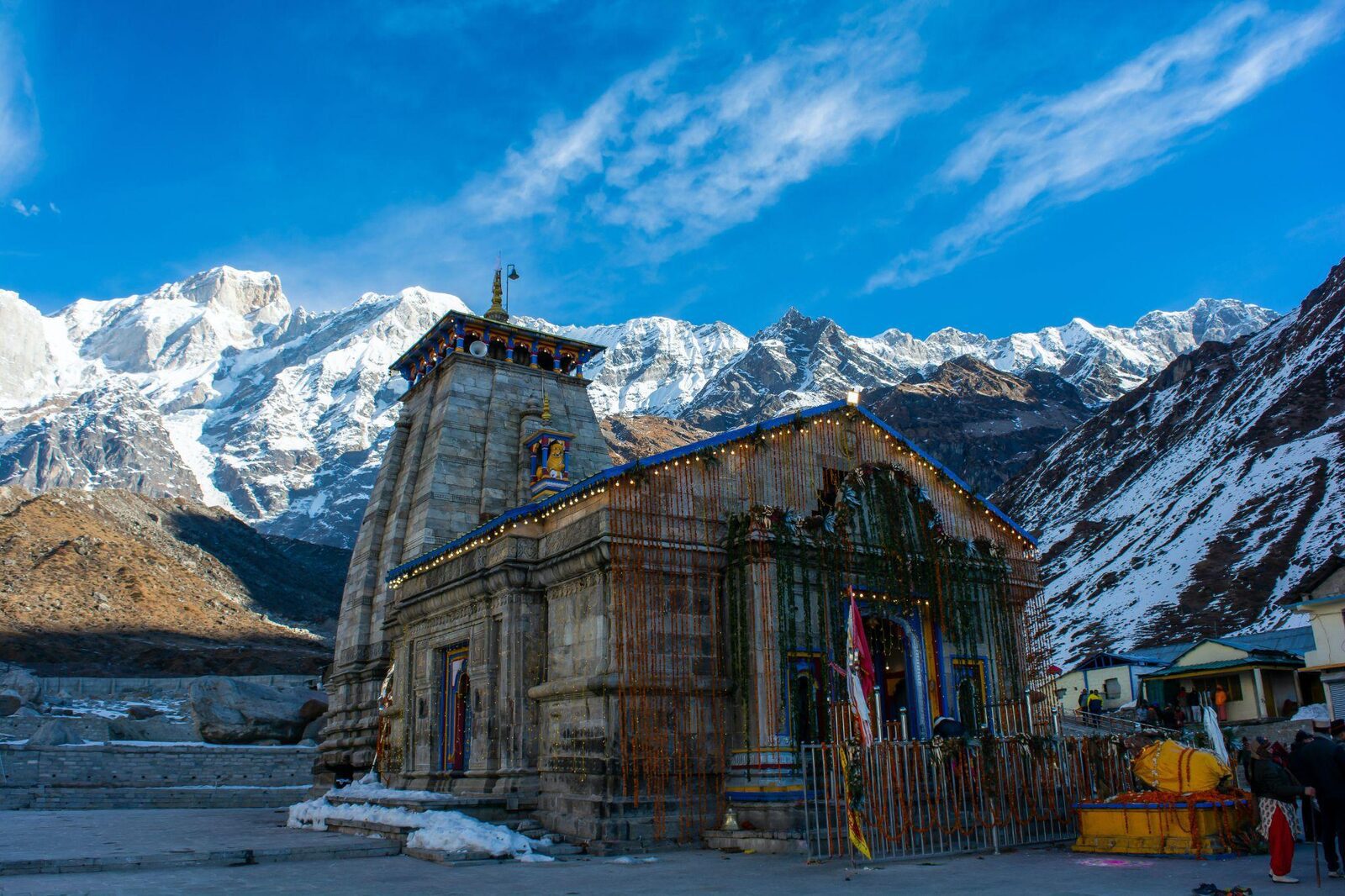
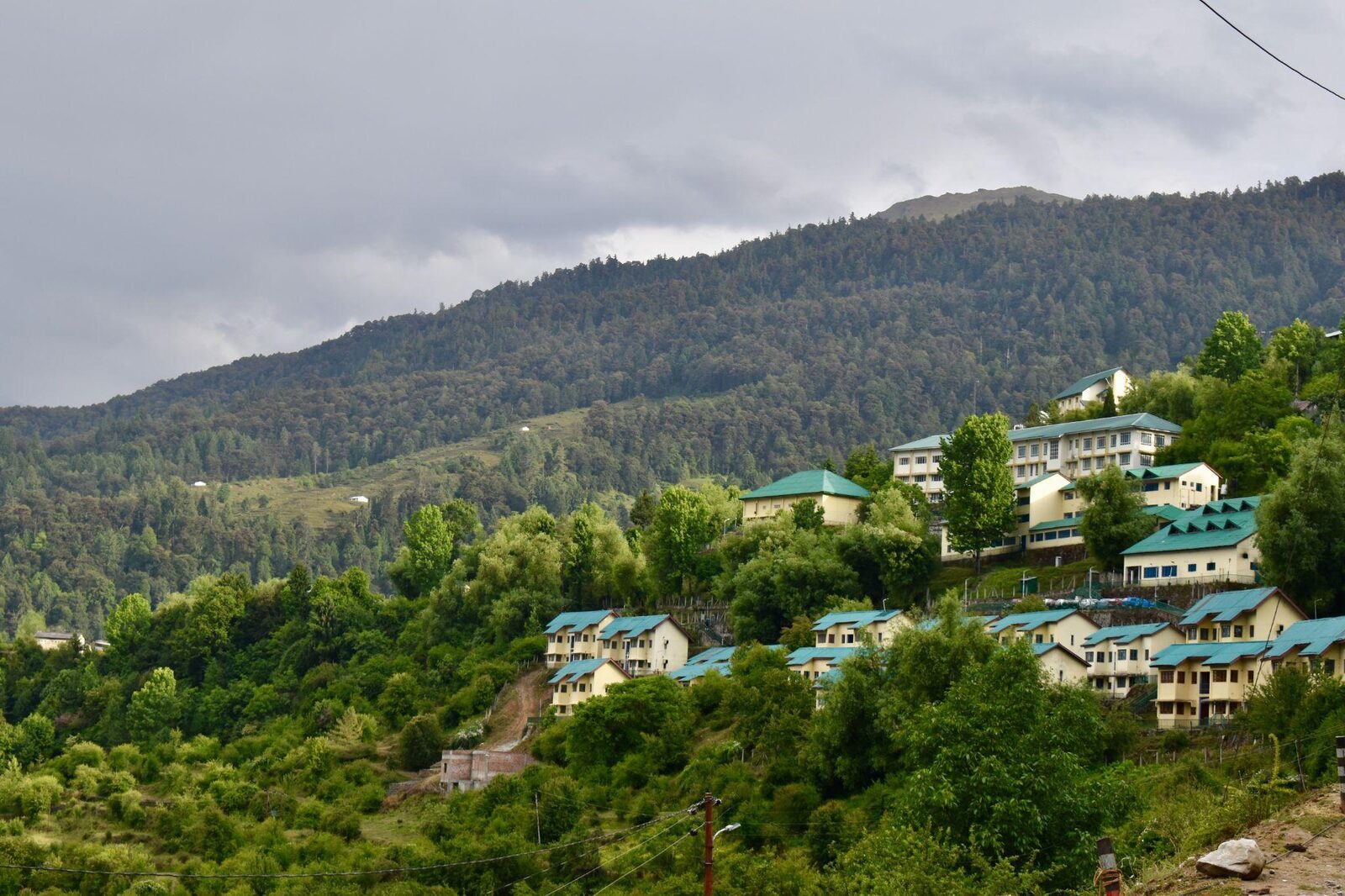
Char Dham, where the beauty of nature meets the divinity of spirituality. This Do Dham yatra covers the sacred shrines of Kedarnath and Badrinath in Uttarakhand, taking you through Guptkashi, the trek to Kedarnath Temple, the drive to Badrinath via Joshimath, and Rishikesh – the World Capital of Yoga – before returning to Haridwar.
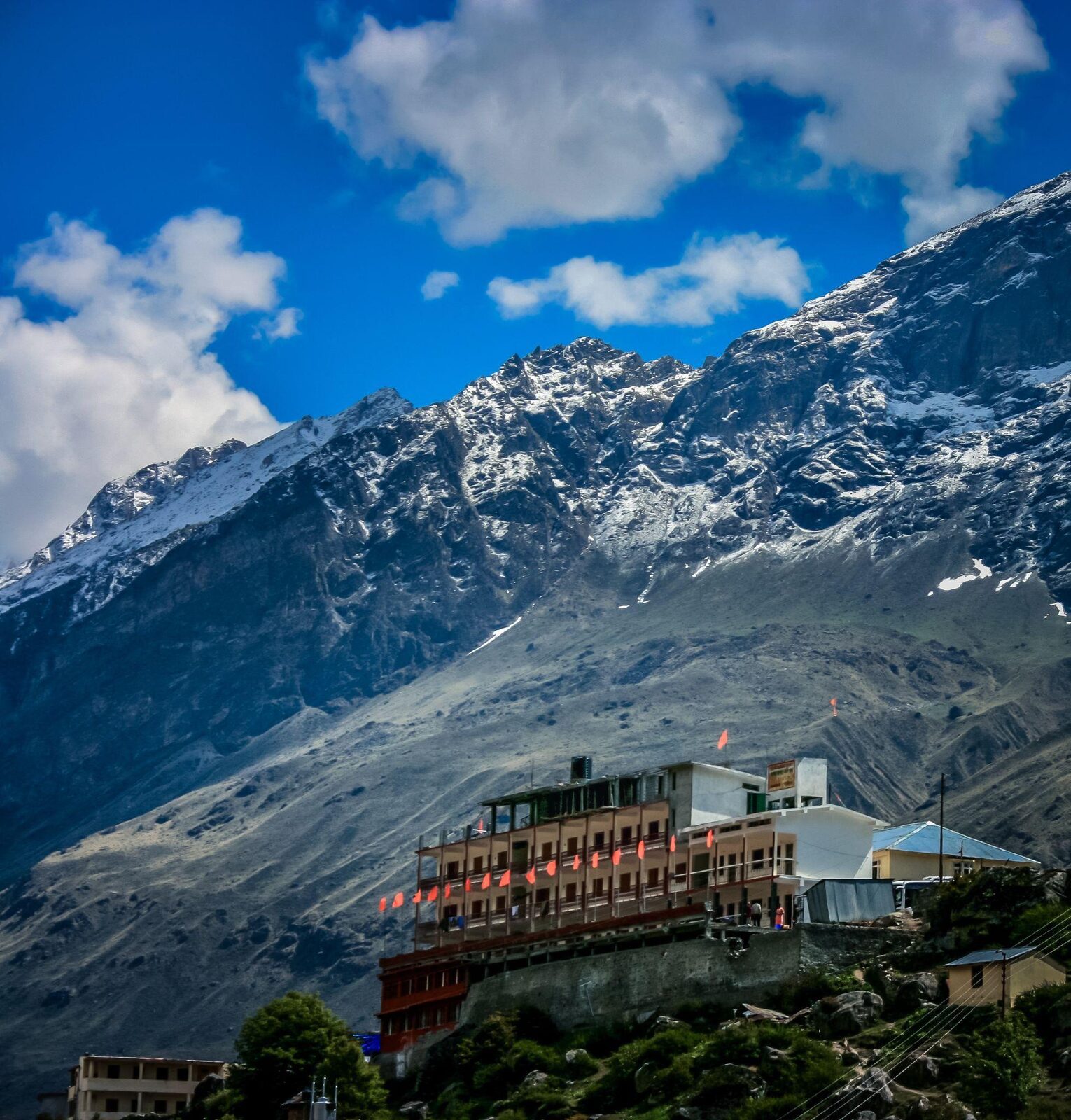
Guptkashi – Raj Palace / Similar, Kedarnath Ji – Sharing Dormitory as per availability, Badrinath Ji – Shree Kuber Residency / Similar, Rudraprayag – Hotel Suri / Vijay Lord Inn Srinagar / Similar
This Kedarnath-Badrinath Tour Package starts from Rs. 31,400 per person for 5 Nights / 6 Days, covering the Char Dham pilgrimage via Guptkashi and Joshimath with accommodation and transfers.
5 Nights / 6 Days works well — enough time for the road journey to Guptkashi, the Kedarnath visit via Gaurikund, the onward road journey to Badrinath via Joshimath, and the return leg through Rudraprayag to Haridwar.
May-June and September-October are the best windows, within the temples’ limited seasonal opening. These months (before and after the monsoon) offer the clearest weather and safest travel conditions, while July-August monsoon rains can trigger landslides and road closures.
No — both temples open only for a few months each year, typically from around late April/early May to early November, closing for winter as the region becomes snowbound. It’s essential to confirm the current season’s opening and closing dates before booking.
Reaching Kedarnath involves a steep Himalayan trek from Gaurikund at altitude. Travellers who aren’t used to trekking should consider a pony, palanquin, or helicopter option rather than assuming the walk will be easy.
It can be, but the Kedarnath approach is a steep trek or pony/palanquin ride at altitude, so elderly travellers should plan for a pony, palanquin, or helicopter option rather than the walking trek, and check with us in advance about the best approach for their fitness level.
Mobile network is limited to unavailable at Kedarnath itself, so it’s worth informing family in advance and not relying on constant connectivity during that leg. Network is generally available in Guptkashi, Joshimath and Badrinath town areas.
The nearest airport is Jolly Grant Airport, Dehradun (DED). Helicopter services also connect to Kedarnath from nearby helipads in season.
Pack warm layered clothing and rain gear — temperatures can drop sharply at Kedarnath and Badrinath even in the ‘warm’ months, so packing for sudden weather changes matters regardless of season.
Yes, to a degree — this is a Moderate to Challenging itinerary, mainly because of the steep Kedarnath trek or pony/palanquin ride at altitude. The rest of the route is primarily road travel.
Yes, biometric registration is required at Kedarnath, alongside carrying a valid photo ID.
Yes — nights at each stop, hotel category and the Kedarnath approach (trek, pony, palanquin or helicopter) can be adjusted. Contact Magna Voyagee to customize this Kedarnath-Badrinath itinerary to your preferences.
You can book this Kedarnath-Badrinath Tour Package by contacting Magna Voyagee to enquire — no advance payment is required to enquire, and you’ll only pay once your itinerary is confirmed.