
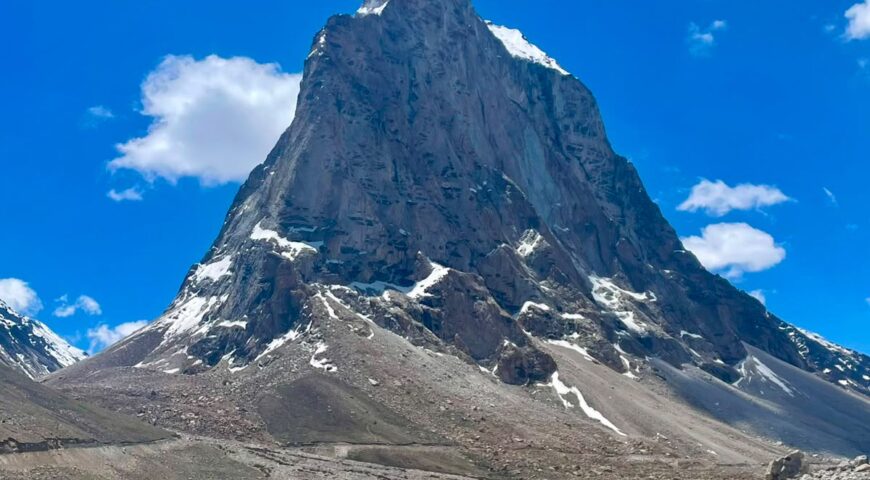
Zanskar Is Changing. Here’s Why Now May Be the Best Time to Go
Zanskar Is Changing. Here’s Why Now May Be the Best Time to Go
The best time to visit Zanskar, in the narrow sense, is straightforward: June to September, with July and August offering the most reliable road access. But ask that question about Zanskar right now and there’s a second, less obvious layer to it. The valley became its own Ladakh district in 2026, and the roads that have kept it seasonal and hard to reach for generations are, for the first time, under serious construction. Neither change has made Zanskar easy to visit yet. Together, they mean the coming travel seasons are worth thinking about differently than the ones after them.
This article isn’t about weather alone. It’s about what “best time” actually means for a place mid-transition — and why the answer involves both the calendar and the moment.
Why You Can Trust This Guide
This piece draws on Ladakh administration notifications, Border Roads Organisation (BRO) project coverage, and government press material, cross-checked at the time of writing against the same research behind our complete Zanskar Valley Travel Guide. Infrastructure status in this part of the Himalaya changes as construction progresses and as reported timelines are revised — we’ve flagged where a completion date isn’t confirmed rather than presenting an estimate as fact, and this section is a reminder to recheck road and construction status closer to your travel dates.
Quick Answer: What Is the Best Time to Visit Zanskar?
For most travellers, the best time to visit Zanskar is June to September, with July to September generally offering the most practical balance of road accessibility and travel conditions. Exact opening and closing dates for both approach roads vary year to year with snowfall, landslide activity, and how quickly authorities can clear the passes — so treat any specific date as an estimate to reconfirm, not a fixed rule.
In broad terms: June is early season, with fewer visitors but more variable road conditions. July is a strong all-round window, generally stable across both main routes. August is peak season, usually the most dependable month for accessibility. September is quieter, with excellent mountain visibility as the air clears, though nights turn distinctly colder. From October, the major high-altitude routes become increasingly difficult and typically close for winter by late in the month.
Quick Facts: Zanskar Right Now
| Best time to visit | June to September |
| Shoulder season | June and September — fewer travellers, more variable conditions |
| Current district status | A separate Ladakh district as of 2026 (previously administered under Kargil district) |
| District headquarters | Padum |
| Main access routes | Leh–Kargil–Suru Valley–Pensi La–Padum, and Manali–Darcha–Shinku La–Padum |
| Major infrastructure projects | Nimmu–Padum–Darcha road (fair-weather sections underway); Shinkun La tunnel (under construction, no confirmed completion date) |
| Current character | Remote, seasonal, infrastructure-light, limited accommodation |
| Recommended trip duration | 7–9 days from Leh or Manali |
Why Zanskar Is Changing
Two separate things are happening in Zanskar at once, and it’s worth keeping them apart.
The first is administrative: Zanskar now governs itself as its own district rather than as a sub-division of Kargil, with local leadership based in Padum. The second is physical: a long-planned road and tunnel corridor connecting Ladakh to Himachal Pradesh through Zanskar is under active construction, aimed at eventually giving the valley connectivity that doesn’t disappear every winter.
Neither change is really about tourism. Local governance closer to home and a road that doesn’t seal the valley off for half the year matter first and most to the people who live there — better reach for healthcare, schooling, supplies and emergency services. But changes like these rarely stay contained to the people they’re designed for. Improved administration and improved roads tend, over time, to bring improved tourism infrastructure too, and eventually, more visitors. That’s the transition this article is really about.
Zanskar Is Now Its Own District — What Does That Actually Mean?
In 2026, the Union Territory of Ladakh formally notified Zanskar as a separate district, following approval by India’s Ministry of Home Affairs in 2024. Padum, previously just Zanskar’s main town, is now also its administrative headquarters — home to a local Deputy Commissioner and Superintendent of Police, rather than officials based in Kargil.
Practically, this means faster local decision-making, a shorter chain for permits and paperwork, and — over time — more direct investment in local infrastructure and services. What it does not mean is any change to how tourists actually get in or move around. There’s no new tourist permit created by district status, no separate fee, and no reason to expect the road itself to feel any different because of a line on an administrative map. The significance is structural, not experiential — but structural change of this kind is usually what precedes the physical kind, which is why it’s worth understanding rather than dismissing as a footnote.
The Roads That Are Changing Zanskar
This is the part of Zanskar’s story that will actually affect what a future trip looks like, so it’s worth separating each project clearly.
The Nimmu–Padum road
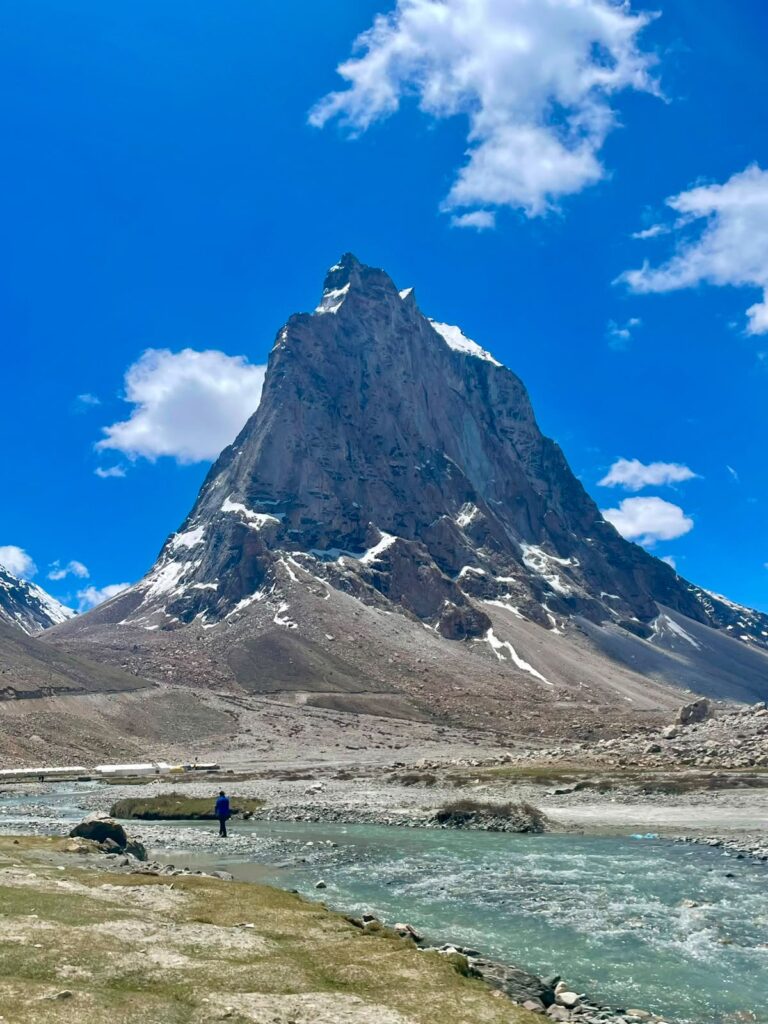
This is the lower-altitude route linking Nimmu, near Leh, to Padum — intended as an additional, less weather-exposed way into the valley from the Ladakh side, rather than relying solely on the Kargil–Suru Valley approach. Sections of this road have been progressively built and surfaced in recent years, but it remains, like everything else in Zanskar, a seasonal mountain road rather than an all-weather highway.
The Nimmu–Padum–Darcha (NPD) road axis
This is the larger corridor the Nimmu–Padum road feeds into — a roughly 300-kilometre route intended to eventually connect Ladakh to Himachal Pradesh through Zanskar as a third route alongside the existing Srinagar–Leh and Manali–Leh highways. Its stated purpose combines strategic connectivity with genuine civilian benefit: shorter journeys between Leh and Manali, and year-round-capable road infrastructure for Zanskar’s own communities. Fair-weather sections of this corridor have been completed in recent construction seasons, with further stretches reported as targeted for completion around 2026 — though, as with most Himalayan road projects, actual progress should be confirmed close to any travel date rather than assumed from a construction schedule.
The Shinkun La tunnel
This is the project that would genuinely change Zanskar’s isolation, and it’s a separate undertaking from the road itself. Shinku La is a high pass — over 5,000 metres — that closes the Manali-side route for roughly half the year. The Border Roads Organisation is building a tunnel beneath it, intended to give the NPD corridor true all-weather status rather than the seasonal access even a fully paved road above the pass would still have. Construction began in 2024. Reported target completion dates have varied by source and by year — early coverage around the project’s start pointed to 2026, while more recent reporting suggests a target closer to 2028. That shift is itself informative: it shows how much timelines for tunnel construction above 15,000 feet can move, and it’s why this article won’t state a completion date as settled fact.
Put simply: Zanskar is becoming better connected, in stages, over years — not becoming easy to reach overnight. Until the tunnel is finished, the region’s core seasonal character stays intact regardless of how much road-building happens around it.
What Hasn’t Changed Yet
None of this has changed what a trip to Zanskar is actually like today.
Both current approach roads remain fully seasonal, generally passable from around June to mid-October and closed the rest of the year. They remain weather-dependent in the short term too — a clear morning can turn into a delayed afternoon if a landslide or a swollen river crossing intervenes. Zanskar remains genuinely infrastructure-light: mobile connectivity is patchy and postpaid-only, ATMs can’t be relied on inside the valley, and accommodation is still limited to a modest number of guesthouses and homestays concentrated around Padum. Monasteries such as Phugtal and Karsha remain working religious institutions rather than attractions built to handle volume, and travel between villages still depends on private vehicles rather than any public transport network.
None of this is a complaint, and better infrastructure for the communities who live here is unambiguously a good thing. It’s simply the honest baseline for anyone planning a trip in the next few years: development is underway, but it hasn’t yet arrived.
Is Zanskar Worth Visiting Before the New Roads Are Finished?
Yes — particularly for travellers who value remoteness, a slower pace, and a journey that asks something of them, rather than a destination optimised for easy access.
It’s worth being fair to the other side of this too. Improved roads mean better access to healthcare, education, markets, supplies and employment for the people who actually live in Zanskar year-round, not just easier logistics for visitors. That’s a genuinely positive outcome, and nothing about recommending a trip now should read as preferring Zanskar’s isolation over its residents’ quality of life.
But infrastructure also changes how a place is experienced by the people passing through it, and that’s a separate, equally honest observation. A valley that takes real effort to reach selects, in a sense, for travellers willing to put in that effort — which tends to correlate with lower visitor volumes, more working (rather than performative) local culture, and a slower rhythm to the trip itself. Better roads will likely widen who visits Zanskar and how quickly they move through it. Neither state of affairs is objectively better. They’re simply different, and right now, the more remote version is still the one on offer.
What This Window Looks Like on the Ground
Padum, before it’s a through-point
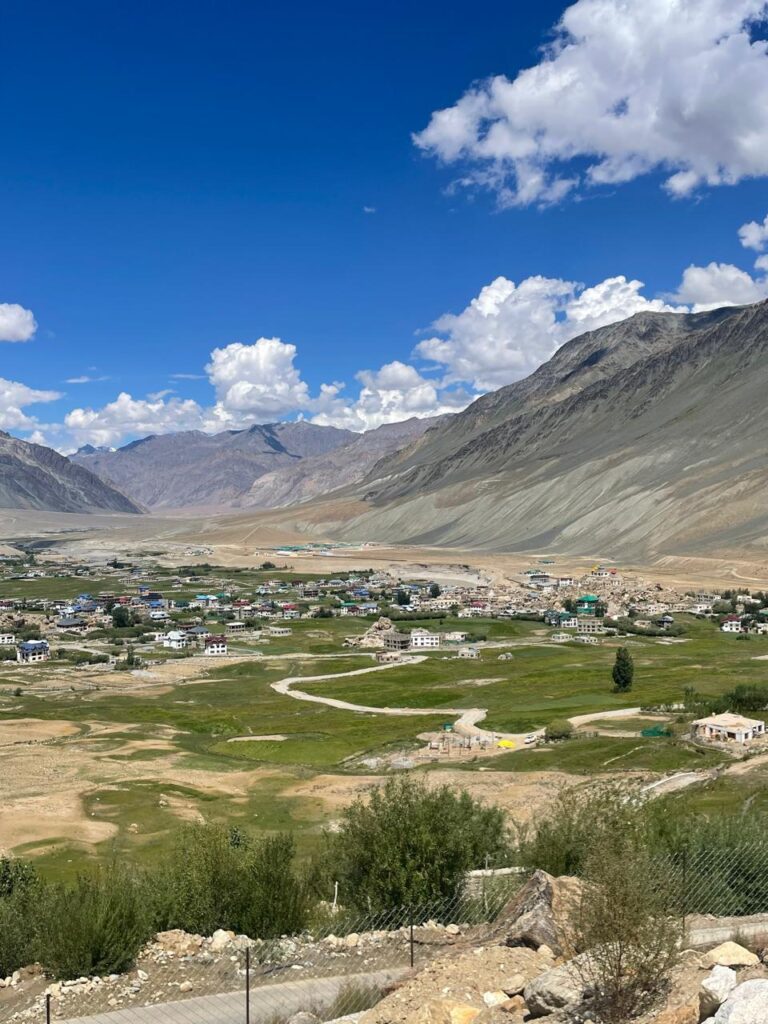
Today, Padum functions as a small regional hub — a market street, a handful of guesthouses, evenings spent swapping notes on road conditions with other travellers rather than choosing between restaurants. A faster, more reliable road will likely change Padum’s role from a place people linger to a place people pass through.
Phugtal Monastery, reached on foot
The cliffside monastery central to most Zanskar itineraries is still reached by a two-to-three-hour trek along the Lungnak River — a walk that road improvements elsewhere in the valley won’t shorten, since no vehicle route reaches it directly.
Seasonal roads that still demand attention
Crossing Pensi La or Shinku La remains a genuine undertaking — altitude, landslide risk, and long stretches without services or signal are still part of the deal, not a marketing exaggeration.
Limited accommodation, by design and by circumstance
Guesthouse and homestay capacity around Padum remains modest. This isn’t a shortage to apologise for — it’s part of what keeps the experience close to the ground rather than filtered through larger-scale tourism infrastructure.
Working villages and monasteries, not a circuit
Karsha, Zangla and Sani function as they always have, with visitors welcomed but not catered to on the scale seen in more developed parts of Ladakh.
Best Time to Visit Zanskar: Month-by-Month
June
The valley reopens in early June as snowmelt clears the passes, though conditions can stay unstable for the first couple of weeks. Fewer travellers are on the road, but flexibility matters more this month than any other.
July
Generally the strongest all-round window — both main routes are typically open and comparatively stable, trekking conditions to Phugtal are favourable, and this is when most guided itineraries run.
August
Peak season, with the most dependable road access of the year and the highest number of travellers in Padum, though still modest by the standards of more accessible parts of Ladakh.
September
Quieter than July and August, with noticeably clearer air and sharper mountain visibility, though nights turn distinctly cold and the season’s stability can shorten toward the end of the month.
October to May
Both major passes typically begin closing by mid-to-late October and stay closed through winter and spring, cutting Zanskar off from road access almost entirely until the following summer.
So, which month should you choose?
For a first-time traveller, July or August offers the most dependable conditions. For an experienced Himalayan traveller who prioritises quieter roads and doesn’t mind more variability, June or September can be a better fit. For many slow travellers, September offers the best balance of clear skies and reduced crowds — provided current road conditions are confirmed before finalising dates. None of this is an absolute rule; it’s a starting point to plan around, not a guarantee any given source can make about weather months in advance.
How to Reach Zanskar
Leh → Kargil → Suru Valley → Pensi La → Padum
The more established approach, generally with more predictable road conditions and gentler grades, making it the more forgiving option for travellers newer to high-altitude road trips.
Manali → Darcha → Shinkun La → Padum
A higher, wilder, and more demanding crossing, best suited to experienced self-drive travellers or a private 4×4 with an experienced local driver — not a route to attempt without prior high-altitude driving experience or a knowledgeable guide.
Both routes are entirely seasonal and can shift status quickly within the season itself; treating either as a fixed, guaranteed drive rather than a weather-dependent one is one of the more common planning mistakes.
How Many Days Do You Need for Zanskar?
Seven to nine days from Leh or Manali is a realistic framework, covering the journey in, a couple of nights based in Padum, a Phugtal excursion, and at least one buffer day. That buffer matters — delays from weather, road conditions, or river crossings are a normal part of high-altitude travel here, not an exception to plan around only in theory.
Our detailed Zanskar itinerary breaks this down day by day, including both route options and where to build in rest.
Getting Around Zanskar
Once inside the valley, a private vehicle — your own 4×4 or one hired with an experienced local driver — is effectively the only practical way to move between Padum, Karsha, Zangla, Sani and the Phugtal trailhead at Purne, since there’s no meaningful public transport network. Fuel is limited to a small number of pumps in Padum, so plan fill-ups around that constraint rather than assuming availability elsewhere. ATMs cannot be relied on anywhere in the valley — carry sufficient cash from Leh, Kargil or Manali before arriving. Mobile connectivity is patchy and generally limited to postpaid connections, with long stretches of both approach roads carrying no signal at all.
What Most Travellers Get Wrong About Zanskar
1. Assuming new district status changes travel logistics
It’s a governance shift, not a change to permits, roads, or how you plan the trip.
2. Assuming the Shinkun La tunnel is close to finished
Reported timelines have already shifted once; treat any completion date as provisional rather than something to build travel plans around.
3. Waiting for it all to become easier
The qualities that make Zanskar distinctive today are largely the ones that improved connectivity will gradually change — waiting doesn’t produce a better version of this specific trip.
4. Underestimating how limited accommodation still is
Padum’s guesthouse and homestay capacity is genuinely modest; book ahead rather than assuming a small population means space is easy to find in peak season.
5. Treating Zanskar like a standard Ladakh sightseeing circuit
This isn’t a place to move through quickly between fixed stops — road conditions, weather, and distances make a rushed itinerary the fastest way to have a frustrating trip rather than a memorable one.
6. Underestimating altitude and acclimatisation
Padum sits above 3,600 metres, with several passes well above that; treating this like a lowland road trip is a common and avoidable mistake.
What to Pack for Zanskar
Layered clothing for wide daily temperature swings, a proper warm jacket even in July and August, gloves, sun protection and sunglasses for high-altitude glare, and sturdy footwear for the Phugtal trek. Bring any personal medication in sufficient supply, a basic first-aid kit, a fully charged power bank, enough cash for the entire trip, a reusable water bottle, and offline maps downloaded before you lose signal. None of this is exotic — it’s simply what genuine high-altitude, low-infrastructure travel requires.
Suggested 7–9 Day Zanskar Itinerary
Days 1–3: Travel in via Kargil–Suru Valley–Pensi La, with an overnight break en route, or via Manali–Darcha–Shinku La for the more demanding western approach.
Days 4–6: Base in Padum for Karsha Monastery, the Phugtal trek from Purne, and a quieter day covering Zangla and Sani.
Days 7–9: Return via the same route, or loop out through the opposite pass for more experienced travellers, with at least one buffer day built in.
This is a snapshot rather than a full plan. Our complete Zanskar Valley Travel Guide covers the full day-by-day itinerary, route comparison and seasonal detail this article deliberately doesn’t repeat.
Zanskar Travel Budget
Costs depend heavily on route, vehicle choice, group size, accommodation standard, season, and total number of travel days — private transport is generally the single largest expense, given the distances involved and the need for a dedicated vehicle rather than shared transport. Rather than quoting specific figures that shift with fuel prices, season and operator, it’s more useful to know what actually drives the cost: a smaller group sharing one vehicle reduces per-person cost significantly, while a longer trip with more buffer days costs more in absolute terms but reduces the risk of a rushed, weather-compromised itinerary. Magna Voyagee can build a specific costed itinerary once your dates, group size and comfort level are known — see our Zanskar Valley tour options or get in touch directly.
Who Should Visit Zanskar Now?
Experienced Ladakh travellers who’ve already done a classic circuit and want a slower, more immersive follow-up. Slow travellers and photographers drawn to low visitor numbers and unpolished monastery culture rather than curated sights. Road-trip travellers and mountain enthusiasts who see the journey itself as part of the appeal, not an obstacle to it. Travellers genuinely interested in monastic and local culture, given how much of Zanskar’s character still runs through working religious and community life rather than tourism infrastructure.
It’s a better fit to hold off, at least for a first Himalayan trip, if you’re a first-time Ladakh visitor — the classic circuit remains a more practical and still genuinely rewarding introduction to the region, with Zanskar as a strong next step once you know what kind of travel you enjoy at altitude.
Frequently Asked Questions
What is the best time to visit Zanskar?
June to September, with July and August generally offering the most reliable road access and September offering quieter conditions with excellent mountain visibility.
Is Zanskar open in June?
Generally yes, from early June, though early-season conditions can be more variable than later in the summer as the last snowmelt clears both approach roads.
Can you visit Zanskar in September?
Yes — September is a genuinely good option, with clearer skies and fewer travellers, though nights are colder and the stable window can shorten toward the month’s end.
How do you reach Zanskar Valley?
Via Leh–Kargil–Suru Valley–Pensi La, or via Manali–Darcha–Shinku La. Both are seasonal mountain routes, typically usable from June to mid-October.
Is Shinku La open for tourists?
Only seasonally, and only as a mountain pass road rather than a tunnel — it typically opens by early summer and closes with the first heavy snowfall of autumn, weather permitting each year.
Will the Shinkun La tunnel make Zanskar accessible year-round?
That’s its intended purpose once complete, but there’s no confirmed completion date. Reported targets have shifted between sources, so travellers should treat year-round access as a future development, not a current or imminent reality.
Is Zanskar worth visiting before the roads are completed?
Yes, particularly if remoteness, slower travel and a demanding journey are part of what you’re looking for — those qualities are likely to change as connectivity improves.
Has becoming a district made Zanskar easier to visit?
No. It’s an administrative and governance change rather than a shift in permits, roads or tourist infrastructure — the practical experience of getting there and moving around is unchanged.
Why We Think You Should Go Now
Zanskar isn’t disappearing. It’s entering its next chapter — one shaped by a new district government and by roads and a tunnel that are years, not months, from changing what access here really means. Both are genuinely good developments for the people who call Zanskar home.
For travellers, that leaves a real and reasonable window: the next several seasons still offer a version of Zanskar where remoteness is a defining part of the journey, not a footnote to it. That won’t last forever, but it isn’t closing on any fixed date either — which means the honest reason to go now isn’t urgency. It’s simply that this version of Zanskar, the one shaped by genuine distance and effort, is still here to experience.
Let’s Create Travel Stories.
If this is the kind of trip you’ve been considering, Magna Voyagee can help you plan it with realistic timing, an honest sense of what the roads currently demand, and an itinerary built around how much of Zanskar you actually want to see. Get in touch when you’re ready, or explore our other Travel Journal stories for more of the Himalaya in the meantime.